For Job Seekers
For Career Exploring
Become a Partner
Search
Clean energy careers aren't what most people picture. Sure, there are wind farms and solar panels, but most of these jobs are about keeping everyday life running—construction work, manufacturing, utilities, transportation. The kind of work that uses your hands, pays well, and actually matters in your community.
If that sounds like the kind of career you want, SkillUp can help you get there. We'll show you what's out there, connect you with free or low-cost training, and help you find jobs that don't require a degree.
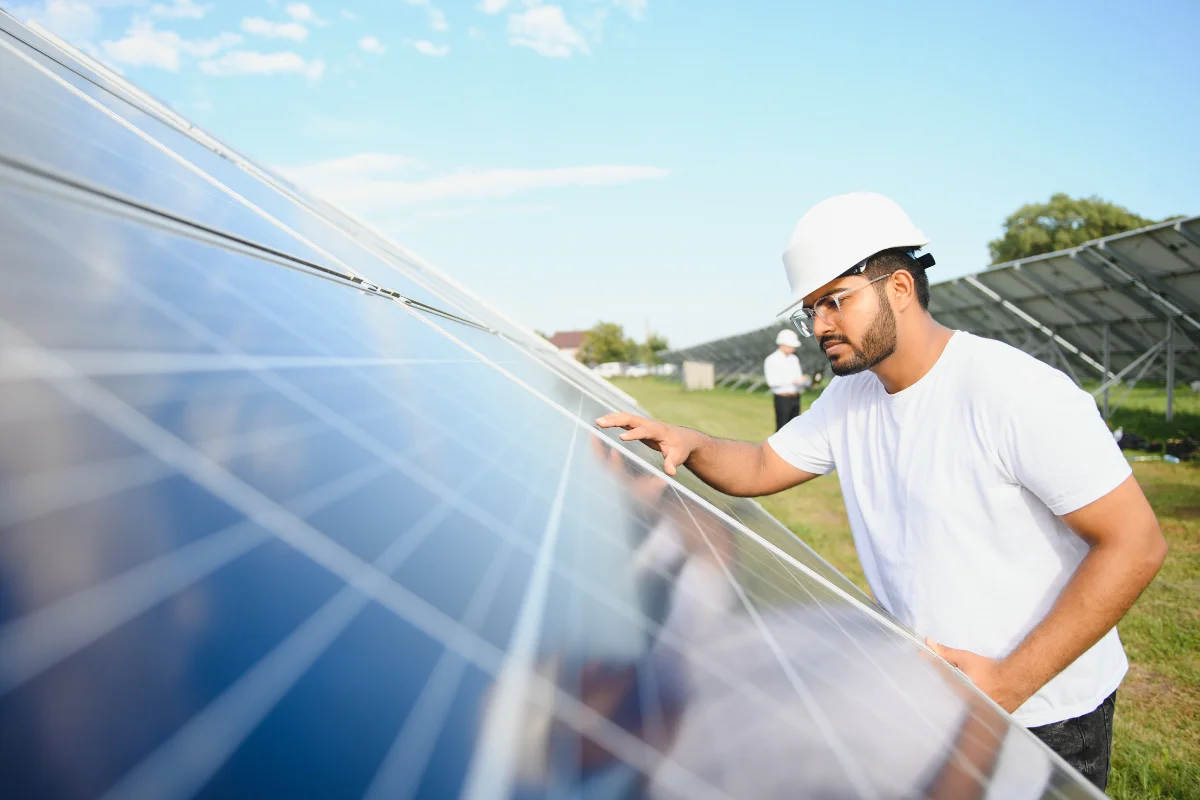
Clean energy jobs (also called advanced energy or green jobs) support cleaner, safer, and more efficient systems that people rely on every day. That can mean maintaining the electrical grid, repairing heavy equipment, fabricating metal parts, running water treatment facilities, or installing systems that reduce energy loss in buildings.
At SkillUp, we focus on clean energy careers that are realistic entry points. The roles featured here:
Many of these jobs are recognized nationally as supporting environmental protection, infrastructure reliability, or resource conservation, even if the job title itself sounds familiar.
Clean energy jobs help communities save money by keeping systems running efficiently. When power lines are maintained, buildings are properly insulated, and equipment works the way it should, people avoid the high costs of breakdowns, emergency repairs, and wasted energy. This work stabilizes prices and protects households from sudden spikes in utility bills.
Take HVAC technicians. When they upgrade heating and cooling systems, seal leaks, or improve airflow in homes and buildings, monthly energy bills drop—especially during extreme weather. Efficient systems use far less electricity and fuel than outdated equipment. Across a community, those savings add up and reduce strain on the grid.
As energy demand grows with more electric vehicles, data centers, and modern infrastructure, these jobs become even more important. Electrical power-line installers, industrial technicians, and water treatment operators keep power, water, and other services running safely and efficiently. They also help prepare infrastructure for extreme weather—storms, heat waves, flooding—which prevents costly outages. Skilled workers in these roles protect communities, keep energy affordable, and make sure the systems people rely on stay online when it matters most.
Not every clean energy job makes sense for someone without a degree or years of experience. Some roles require years of school or unpaid work, or they’re only available in a few locations.
SkillUp focuses on clean energy careers that:
What you see here has been carefully reviewed and reflects hiring demand.


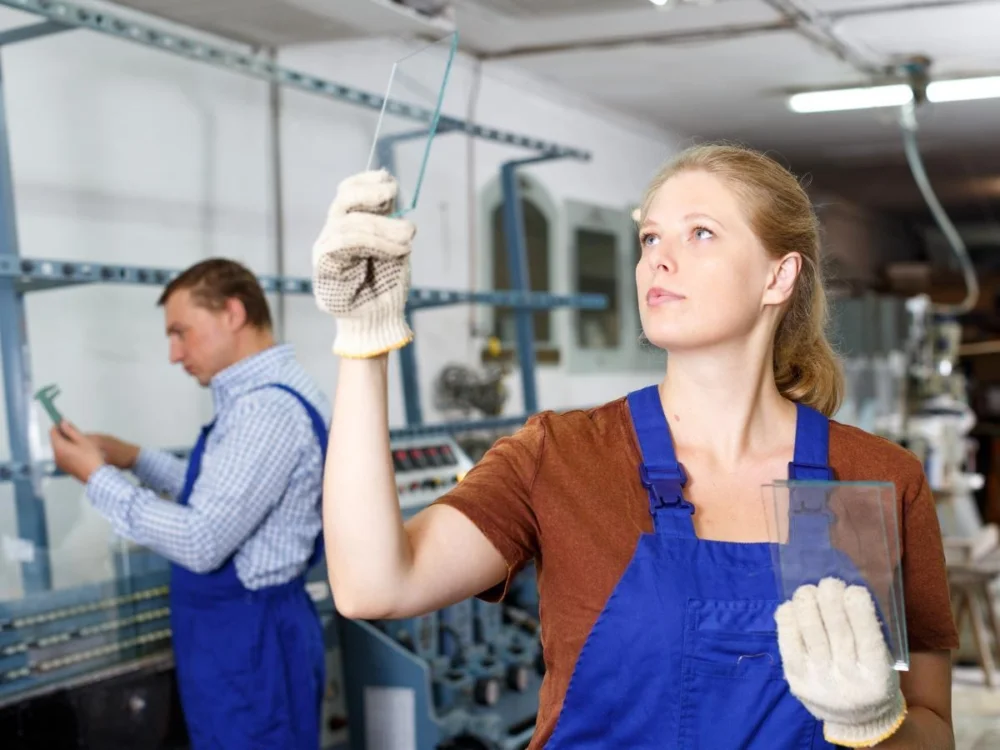
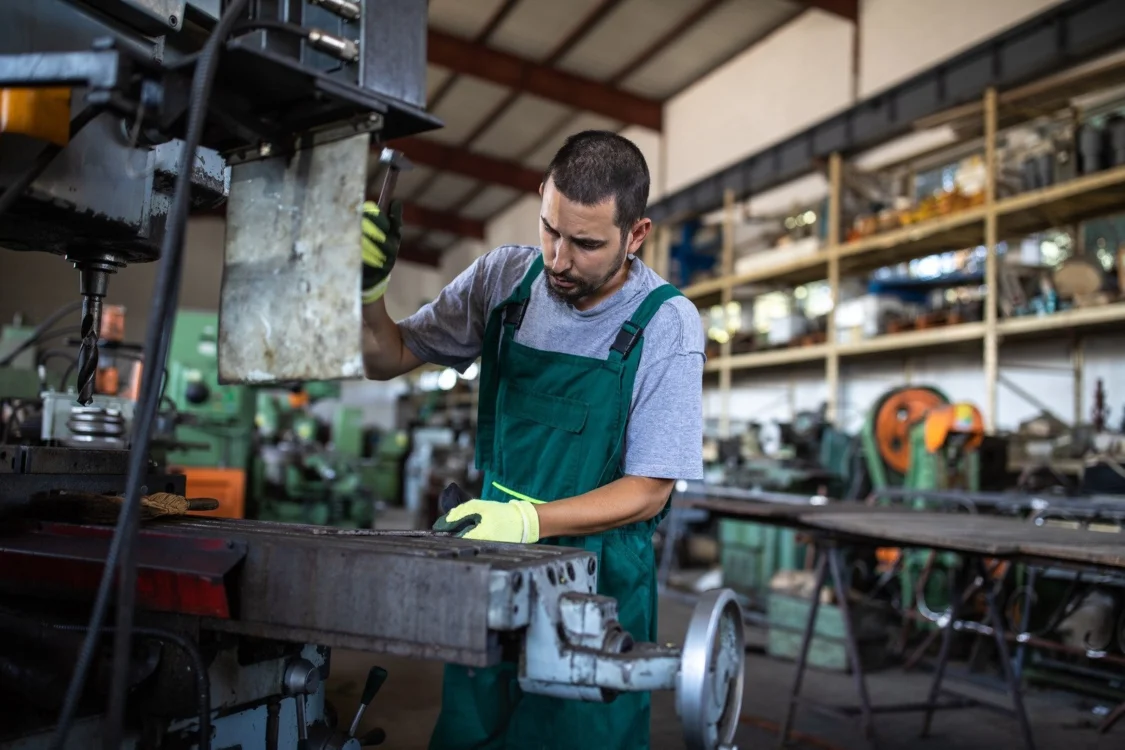
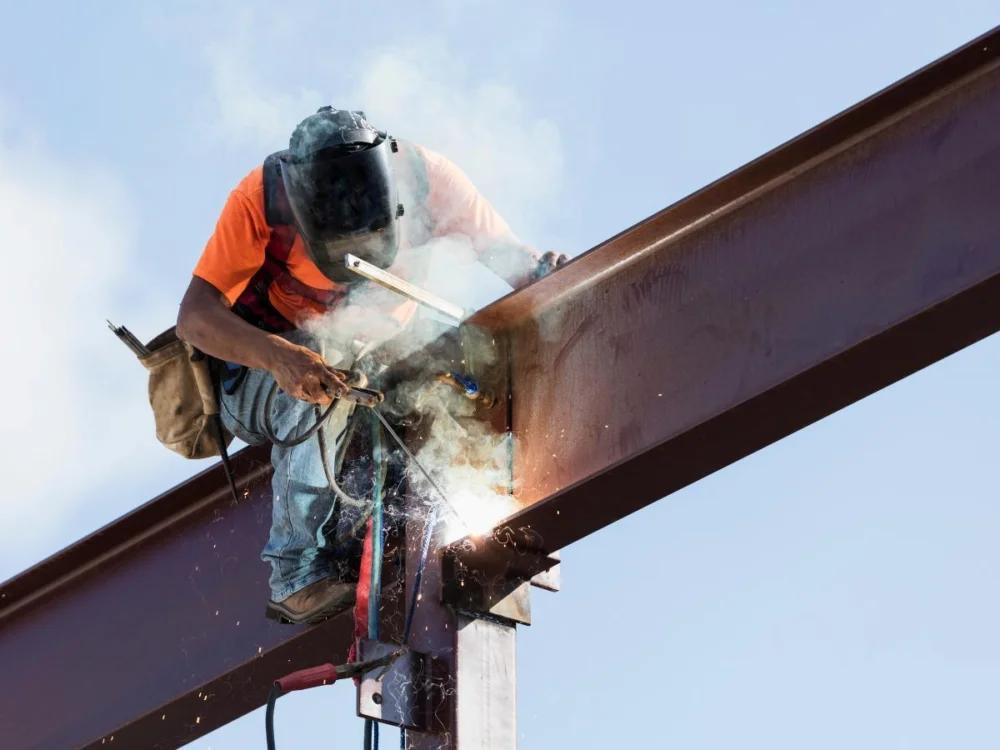


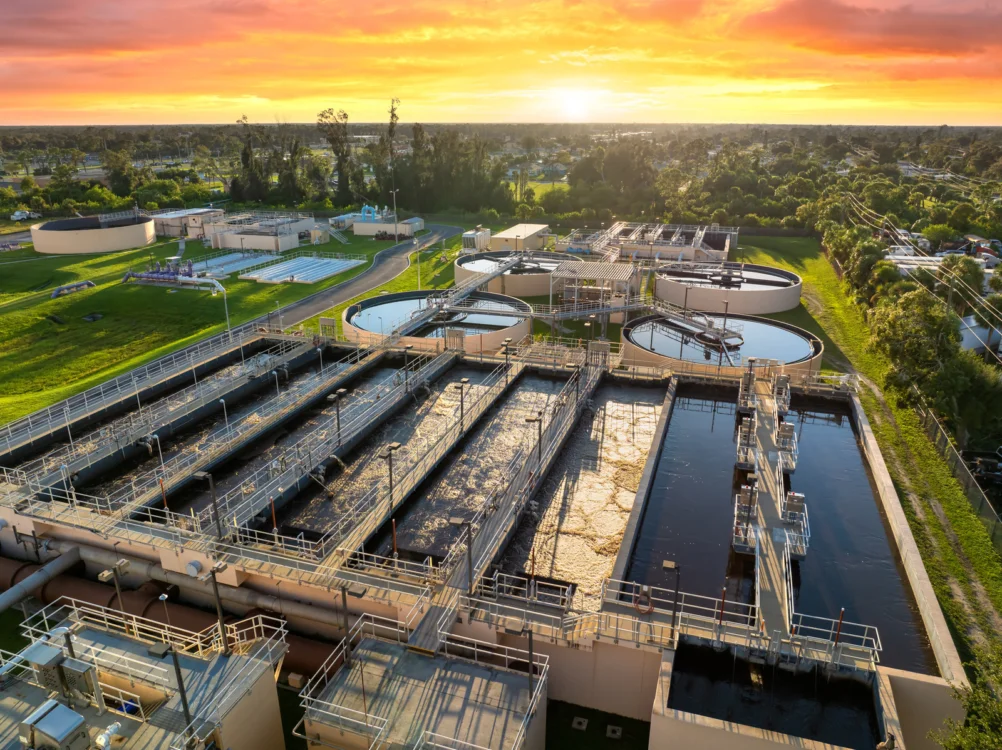


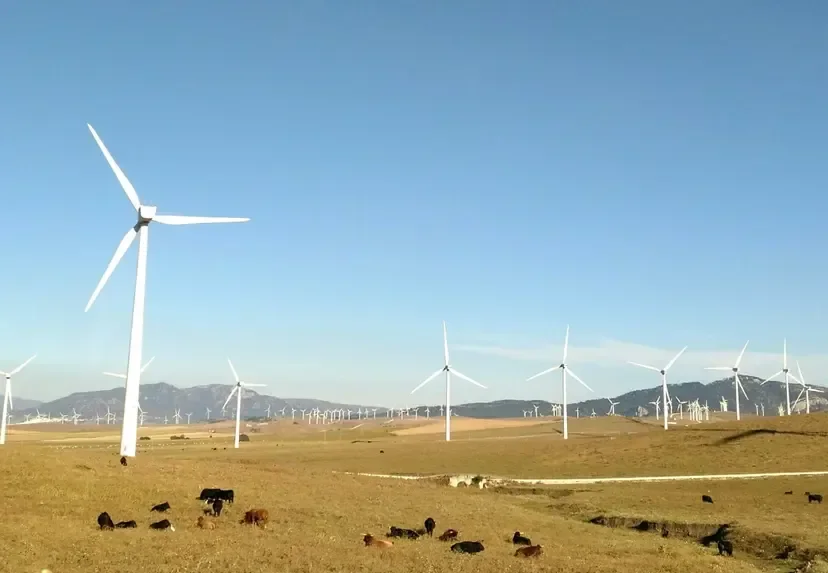
Clean energy jobs are roles that support cleaner, safer, and more efficient systems. This can include maintaining power lines, operating water treatment facilities, repairing industrial equipment, improving building efficiency, or manufacturing components used in modern buildings and systems.
Many clean energy jobs look like traditional skilled trades, but the work helps cut down on waste, use materials better, and keep systems working without frequent breakdowns.
You might also see them referred to as advanced energy jobs or green jobs.
You might hear clean energy jobs called “green jobs.” This job family includes solar and wind energy, as well as many other jobs in technology, factories/manufacturing, and construction.
No. Wind and solar get a lot of attention, but clean energy jobs exist across many different industries, such as:
Careers like electricians, welders, HVAC technicians, water treatment operators, and industrial maintenance workers all play a role in how well systems work and how resources are used.
Most clean energy careers on SkillUp do not require a four-year degree. Many start with a certificate, license, or apprenticeship and focus on hands-on learning. Training timelines are often under a year, and some roles allow you to earn while you learn.
It depends on the role, but many clean energy careers can be entered within 3–12 months. Some apprenticeships take longer but allow you to work and get paid while gaining experience. SkillUp focuses on paths that balance speed, affordability, and access to jobs.
Yes. Many clean energy jobs pay above a living wage, especially as you gain experience. Roles in electrical work, HVAC, industrial maintenance, welding, and utilities often come with steady pay, overtime options, and long-term stability.
Clean energy jobs tend to be tied to essential systems like power, water, transportation, and manufacturing. These systems need regular maintenance and updates. That keeps demand strong, even as technology changes.
Absolutely. Many people move into advanced energy jobs from retail, warehouse, food service, or other hands-on work. Short training timelines and clear skill paths make these roles practical for career changers at many stages.
It’s free and simple: