For Job Seekers
For Career Exploring
Become a Partner
Search
Ironworkers build the framework that holds up bridges, skyscrapers, and stadiums. They install the steel and reinforced iron that makes large-scale construction possible, often working high above the ground or deep in the foundation. If you’re physically strong, focused, and want a job where no two days look the same, this hands-on career could be a solid choice.
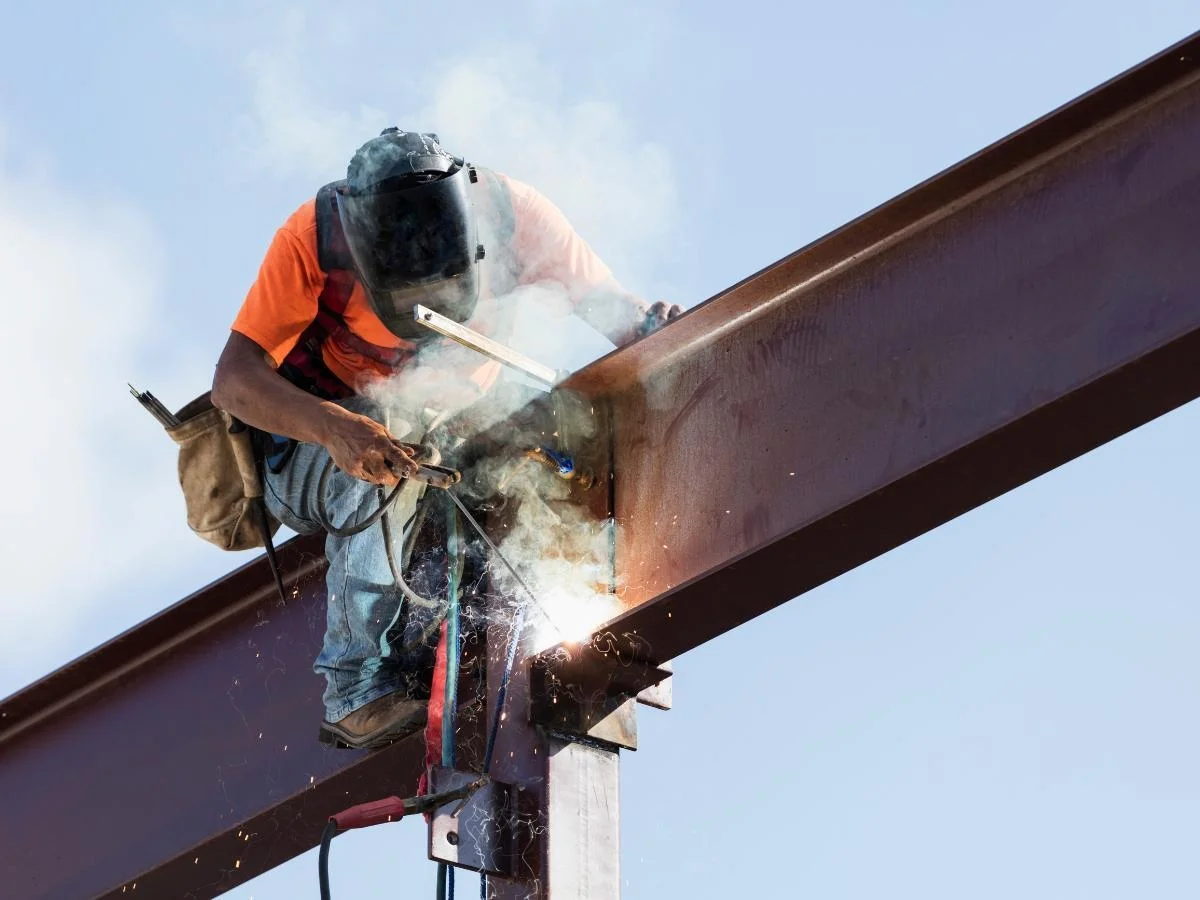
Ironworkers (sometimes called structural or reinforcing ironworkers) install the beams, columns, and rebar that support buildings and infrastructure. Some focus on structural iron (like high-rise skeletons), while others install reinforcing steel (like rebar in concrete foundations).
You might see job listings under:
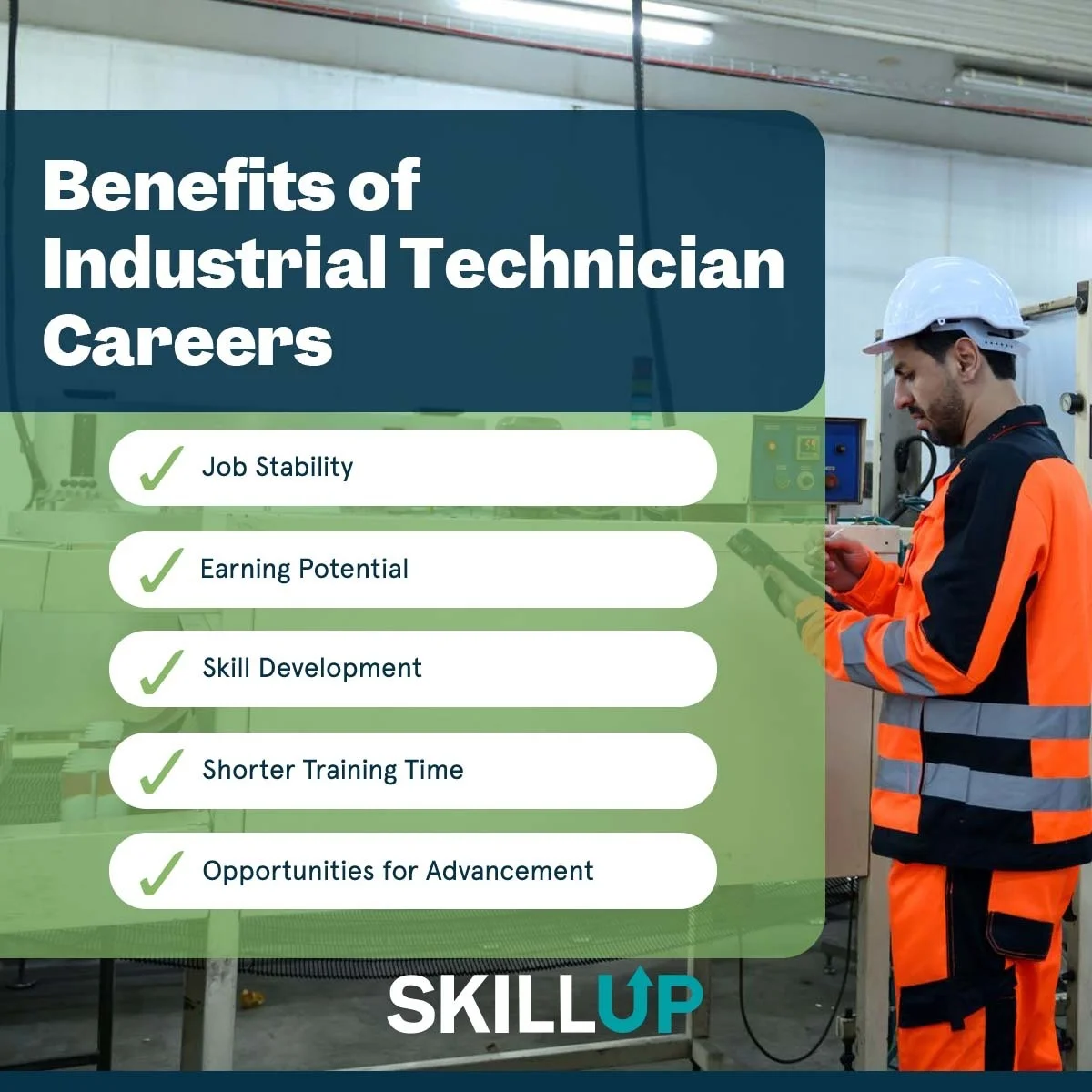
You don’t need a degree to break into this trade, just strength, safety awareness, and a willingness to learn through hands-on experience.
Here’s how to get started:
Earn a high school diploma or GED: Basic math and measurement skills are important for reading plans and aligning materials.
Apply for an apprenticeship program: Most ironworkers learn through 3–4 year apprenticeships offered by unions or contractors. You’ll earn a paycheck while learning on the job.
Learn welding, rigging, and blueprint reading: Your training will include both classroom instruction and site experience in lifting, welding, and steel assembly.
Take a safety course (OSHA 10 or 30): Construction safety training is often required before you’re allowed on a jobsite.
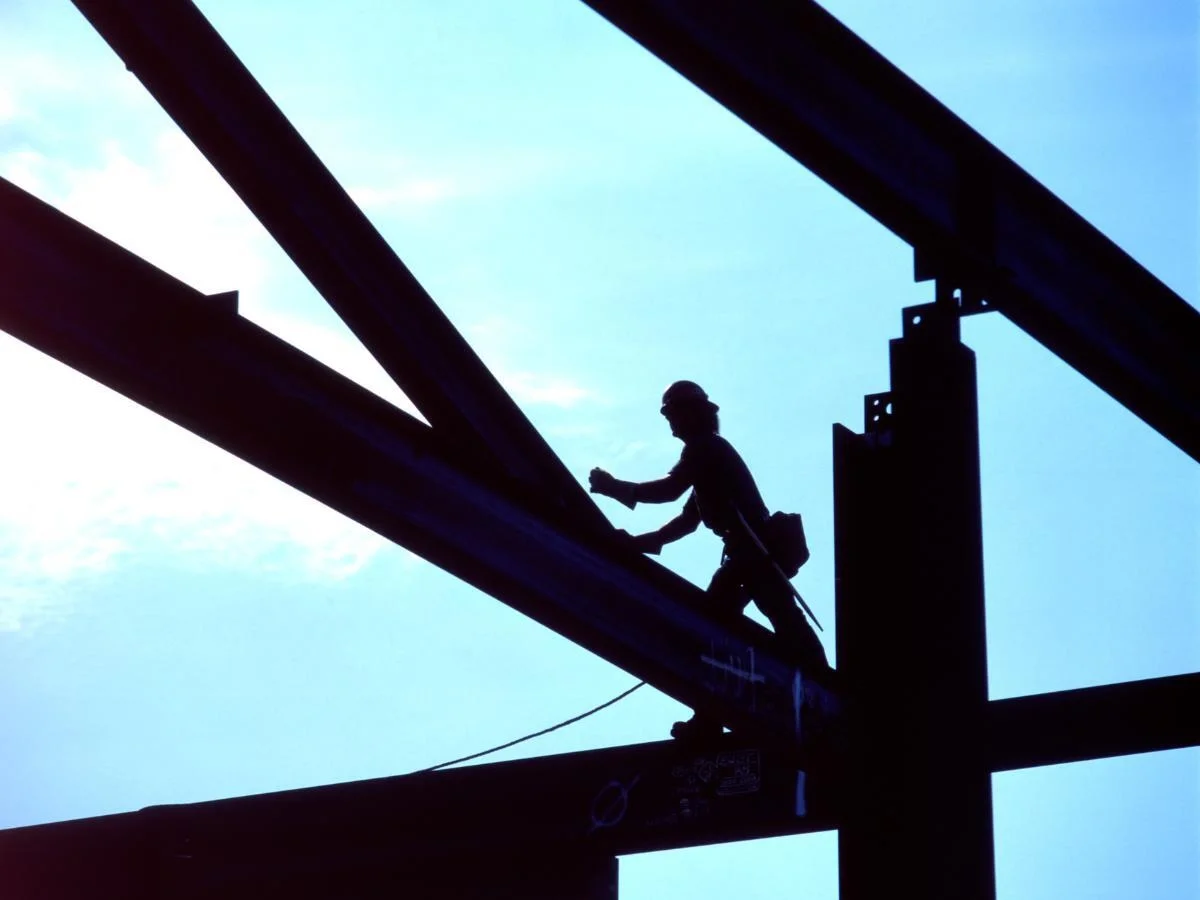
Structural ironworkers install steel beams and frames in buildings and bridges. Reinforcing ironworkers (often called rodbusters) place rebar in concrete for foundations, highways, and tunnels.
Yes! "Green" jobs, or clean energy jobs, are roles that support cleaner, safer, and more efficient systems. Since it's involved in building more modern, efficient buildings, yes, ironwork is a green job.
No. Most ironworkers learn through paid apprenticeships that include both hands-on and classroom training.
It can be. Ironworkers often work at heights or with heavy materials, but with proper safety gear and training, risks are well-managed.
Many are. Union programs offer benefits like consistent training, job placement, and pension plans, but non-union opportunities are available, too.
Yes. Many ironworkers gain welding experience through their apprenticeship and pursue certifications to expand their skill set.