For Job Seekers
For Career Exploring
Become a Partner
Search
If you’ve been eyeing a trade, one worry probably keeps pulling you back: how many years am I signing up for before this pays off? That’s valid. You’ve got bills now. Luckily, “How long is an apprenticeship?” has many different answers, and a few trades get you working sooner than the “four or five years” that gets tossed around.
Below, we break down five popular trades by how fast you can get in, what each one costs, and what you’ll earn while you train, so you can find the timeline that fits your life.
Most trade apprenticeships are counted in years and in hours. A typical program takes a set number of years, and each year is structured around roughly 2,000 hours of paid work on the job plus classroom instruction. So a four-year apprenticeship usually adds up to about 8,000 hours of supervised, paid experience by the time you finish.
Hold onto that word “paid.” An apprenticeship isn’t school you pay to sit through. You’re an employee from week one, earning a paycheck that grows alongside your skills. The length of your apprenticeship is how long you’ll be learning on someone else’s dime while you build toward a license or a journey-level wage.
Here’s how the five trades stack up, sorted from the quickest way in to the longest. These are typical ranges; programs shift by state, by employer, and by whether you bring any prior experience.
Takes: As little as 7 months to 2 years
Median Salary: $51,000
Most welders learn through a certificate program at a community college or trade school rather than a multi-year apprenticeship, and those programs take about seven months to two years. A three-to-four-year apprenticeship exists where an employer offers one.
Takes: 6 months to 2 years, or a 3-to-5-year apprenticeship.
Median Salary: $59,810
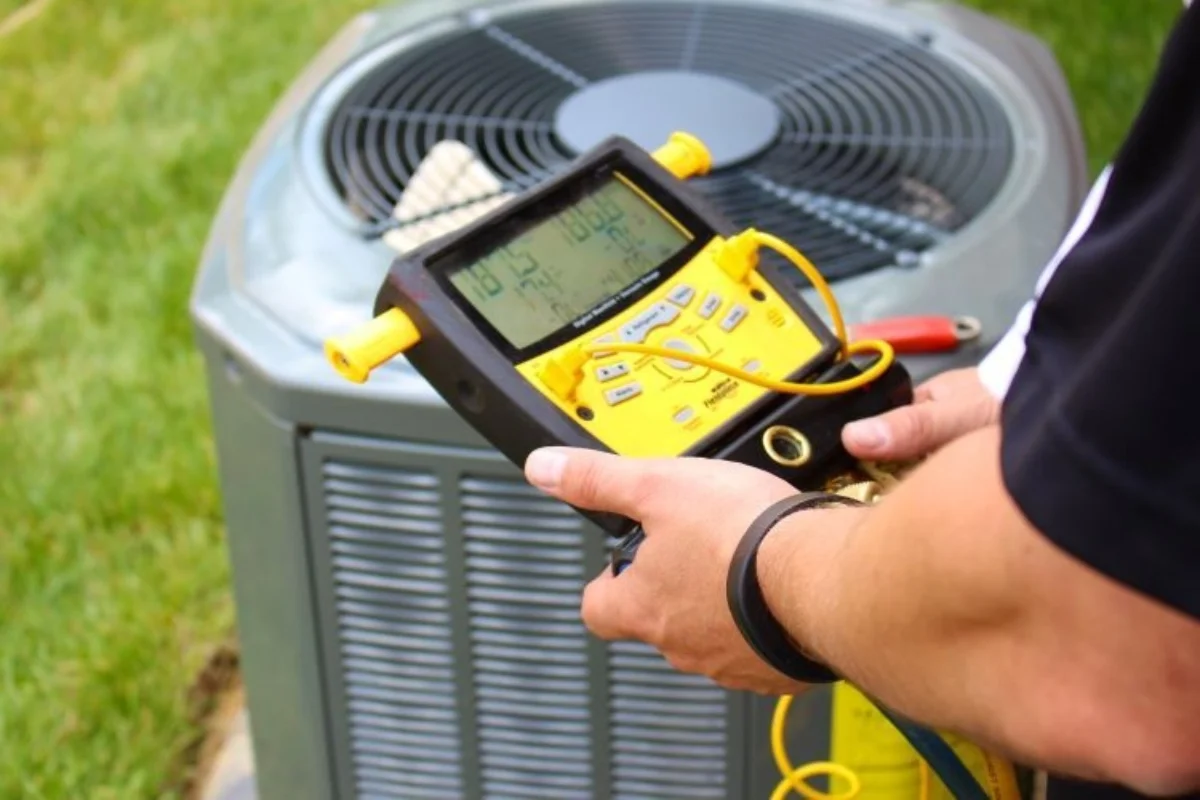
HVAC gives you a choice. You can finish a certificate or associate program in six months to two years, or train through an apprenticeship that runs three to five years. No four-year degree required either way.
Takes: About 3 to 4 years.
Median Salary: $59,310
Carpenters usually learn through an apprenticeship of roughly three to four years, with the United Brotherhood of Carpenters standard clocking in at four. Some start as construction helpers first.
Takes: 4 to 5 years
Median Salary: $62,970
Plumbers, pipefitters, and steamfitters train through a four-to-five-year apprenticeship, about 2,000 paid hours a year, before sitting for a license.
[See how to become a plumber →]
Takes: 4 to 5 years
Median Salary: $62,350
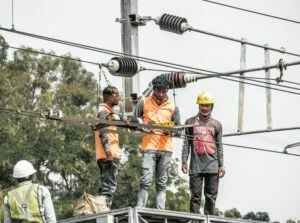
Electricians follow a four-to-five-year apprenticeship totaling roughly 8,000 to 10,000 hours, then pass a licensing exam. It’s one of the longer roads and one of the best-paid.
[See how to become an electrician →]
The apprenticeship route is the budget-friendly one. Most registered apprenticeships are free or close to it, often sponsored by unions, contractor associations, or employers, and you’re paid the whole time. On SkillUp’s platform, 90% of apprenticeship programs are free, and the rest come in under $10,000.
Apprentices typically start around 40 to 50% of a journey worker’s wage and step up to 80 to 90% by the final year, with raises tied to the hours they log. Because you’re earning instead of borrowing, most finish with little to no student debt. The Department of Labor reports that people who complete a registered apprenticeship earn an average of about $80,000, and roughly 9 in 10 stay employed afterward.
The certificate route asks for tuition up front in exchange for speed. A welding program runs about $5,000 to $20,000, depending on the school, and an HVAC certificate falls somewhere between $1,200 and $15,000. Community colleges sit at the low end; private trade schools run higher.
You’re paying to compress the timeline, then your paycheck starts once you’re hired. SkillUp’s training catalog lets you filter for low-cost and free programs, so the affordable options show up first.
The right answer depends less on which trade looks best on paper and more on what your life can handle right now.
If you need a paycheck immediately and can’t float tuition, an apprenticeship is tough to beat. You earn from day one, you don’t take on debt, and you come out with a credential plus years of hands-on experience. Electrical, plumbing, and carpentry all work this way.
If you’d rather be working in under a year and you can cover a program, the certificate route into welding or HVAC gets you there faster. You pay for the training, but you shorten the wait.
And if you’re drawn to hands-on work but aren’t sure which trade fits how you think and move, start there instead of with the calendar. SkillUp’s Work Styles Quiz points you toward trades that match your strengths, and the Career Paths section shows what each one looks like day to day before you commit to a single hour of training.
Once you have a direction, our step-by-step guides walk you through it: how to become an electrician, the HVAC path, and how to become a plumber.
However long your road turns out to be, the first step is to get a clear look at your options. Browse short-term and apprenticeship training on SkillUp, filtered to programs that are affordable and lead to living wages, then create a free profile to save the ones that catch your eye and track where you are. The timeline is yours to choose, and we’ll be with you the whole way.
Most skilled-trade apprenticeships run three to five years, with each year covering about 2,000 hours of paid on-the-job training plus classroom instruction. Faster trades like welding and HVAC can often be entered through a certificate program in under two years instead.
Yes. Apprentices are employees and earn a paycheck from the start, usually beginning around 40 to 50% of a fully trained worker’s wage and rising on a set schedule as they gain hours and skills.
Welding tends to be the quickest, with some certificate programs finishing in around seven months. HVAC is close behind, with programs taking from six months to two years.
Many are. Registered apprenticeships are frequently free or low-cost because they’re sponsored by employers, unions, or trade associations, and you earn wages throughout. On SkillUp, 90% of listed apprenticeships cost nothing.
Yes. Welding and HVAC both have certificate and associate programs that lead to entry-level work without a multi-year apprenticeship, though some workers still choose an apprenticeship for the longer, paid training.