For Job Seekers
For Career Exploring
Become a Partner
Search
When you hear the words clean energy job or green job, you might picture an engineer in a lab, or someone with a four-year degree and a stack of certifications you don’t have. But most clean energy work isn’t happening in a lab. It’s hands-on trade work that pays well and that you can find in your own community.
SkillUp’s clean energy hub gathers these careers into one place alongside the training that gets you in and the jobs that don’t screen by degree. Here’s what the work looks like and why you should give it a shot.
Clean energy jobs are familiar, skilled trade jobs that involve keeping the power grid running, fixing heavy equipment, insulating and sealing buildings so they waste less energy, and wiring charging stations for electric cars. In other words, electricians, mechanics, construction workers, and more.
Wind farms and solar panels get a lot of attention. But the clean energy family tree is much bigger, and plenty of these job titles have been around for decades. What’s changed is how much demand there is for them.
Workers are catching on to the demand and opportunities in this field. On SkillUp’s platform, engagement with skilled trades training climbed from 19% of users to 41% in about seven months, and solar installer is now one of the most popular career goals that people set. Among users ages 18 to 24, half of all training engagement goes to the trades. These paths are rapidly becoming mainstream.
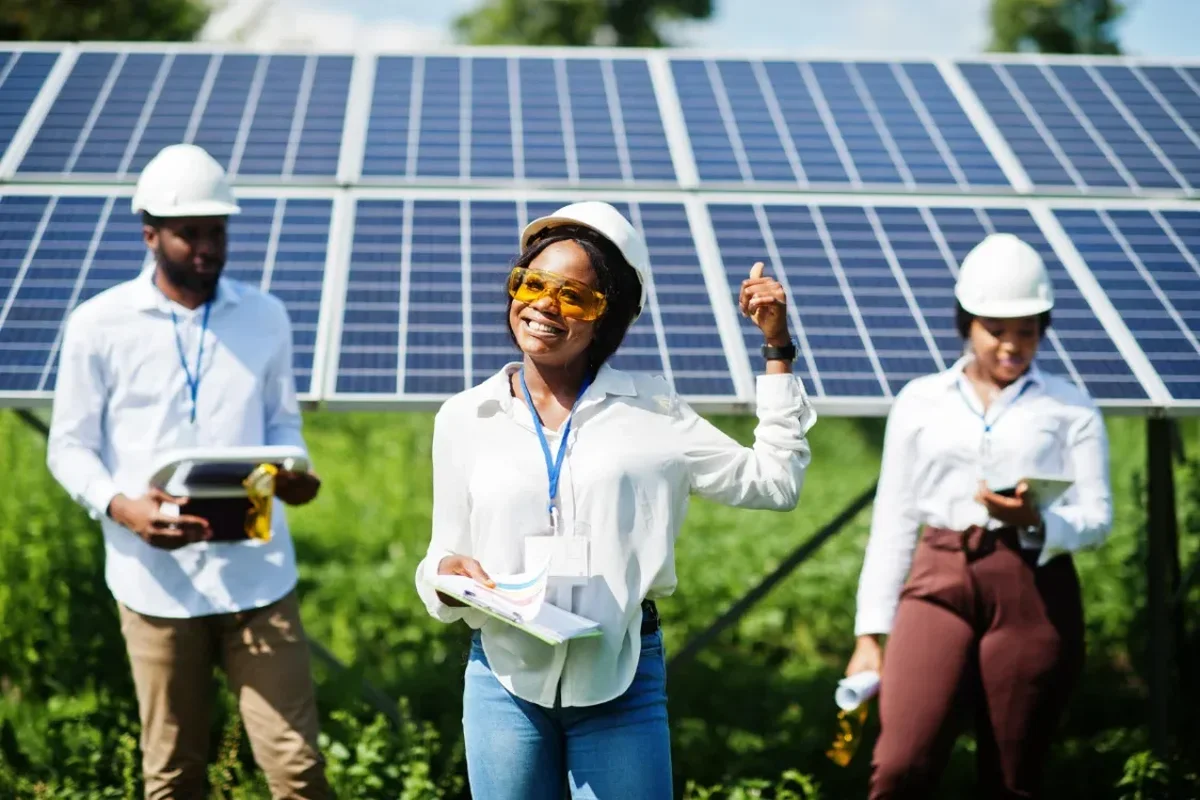
Solar photovoltaic installers mount panels, run wiring, and get systems talking to the grid. It’s outdoor, physical work that blends roofing, basic electrical, and construction. The solar installer path is one of the most common front doors into clean energy.
Wind turbine service technicians climb turbines to inspect and repair them up close. If heights don’t faze you, the wind turbine technician path is worth a serious look.
Every electric car needs somewhere to plug in, and someone has to wire it. EV charging installation is electrical work, from a home garage charger to a bank of fast chargers at a highway stop. Most of it is handled by licensed electricians.
Some of the highest-impact clean energy work is the least flashy: insulating walls, sealing leaks, and tuning HVAC systems so buildings waste less. If you like finishing a job you can see, and shaving money off someone’s utility bill while you’re at it, this is a great way into the field.
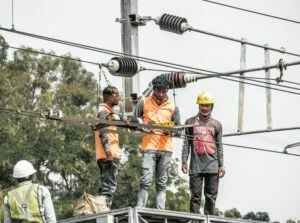
The grid is getting older and busier at the same time, with electric vehicles, data centers, and new housing all pulling more power. That means steady work for the people who keep it standing, like lineworkers and electrical and electronics technicians.
You don’t need a five-year plan today. Start by asking what kind of work fits you. SkillUp’s free Work Styles Quiz takes a few minutes and points you toward roles that match how you like to work, whether that’s hands-on or more detail-driven.
From there, the clean energy hub lays out the pathways, what each role pays, what training it takes, and which jobs are open near you. When something catches your eye, find a training program you can finish, then save it to a free profile so you can pick up where you left off.
Want a closer look before committing? Our guide on how to secure a career in clean energy walks through the early steps, and if you’re weighing the trades more broadly, the future of skilled trades jobs covers how the work is shifting. Not sure where to begin? SkillUp’s free group coaching connects you with people working through the same questions.
Clean energy work has never asked for a four-year degree. Create a free SkillUp profile to save careers and compare training, then browse clean energy jobs that skip the degree. Start with one step, and let it lead to your future.
Power-line installers and repairers top the list at a median of $92,560. Wind turbine technicians ($62,580) and electricians ($62,350) come next. You can access all three through apprenticeships or short technical programs; no four-year degree needed.
Solar installation and weatherization have the shortest on-ramps, often a certificate you can finish in weeks to a few months. Electrician and wind turbine paths take longer, but you can earn a paycheck while you train through an apprenticeship.
Yes. Wind turbine technician is the single fastest-growing occupation in the country, and solar installer is second, going by BLS projections through 2034. Add in the electricians and lineworkers who keep the grid running, and the work spans the whole field.