For Job Seekers
For Career Exploring
Become a Partner
Search
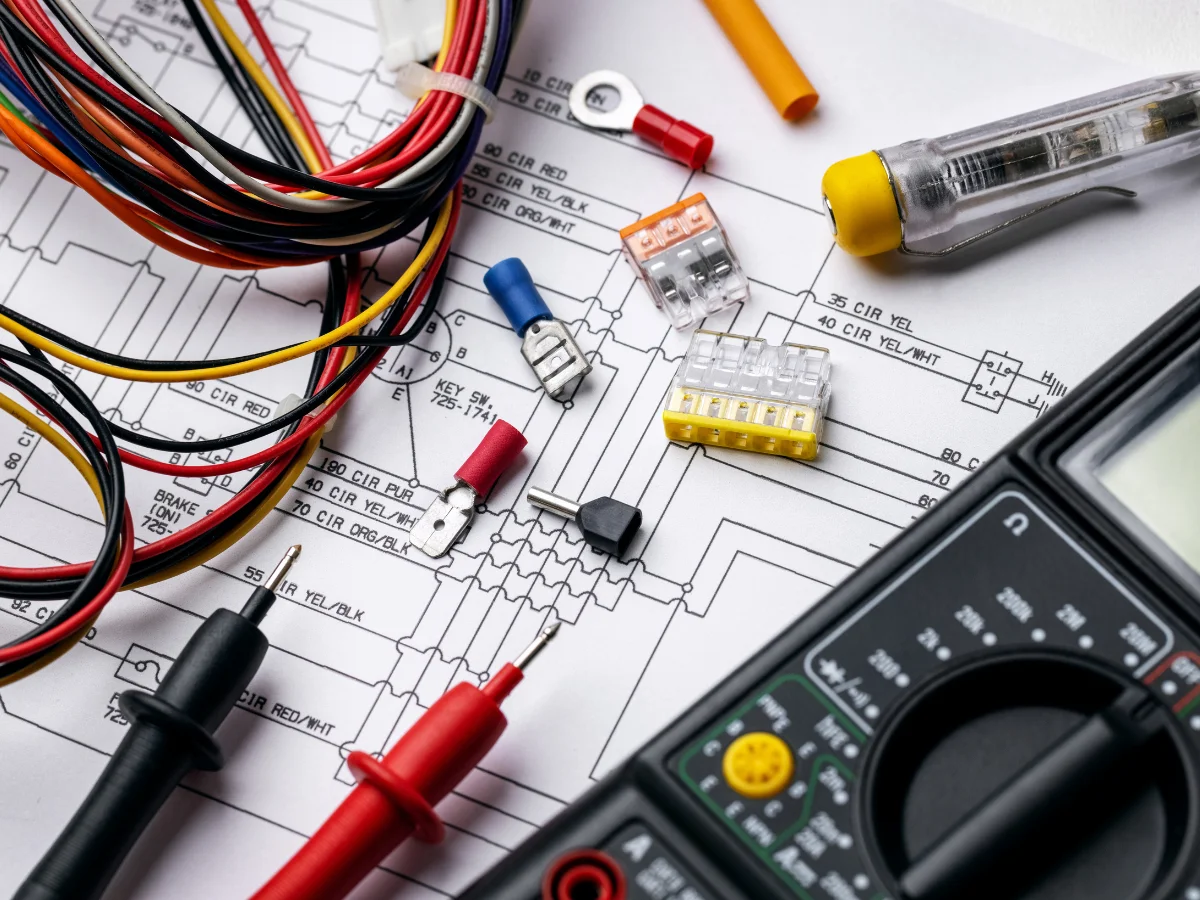
No license, under a master or journeyman's supervision
One year, or 2,000 hours, of hands-on electrical work
$64,810 a year (about $31.16 an hour)
West Virginia electricians wire natural gas facilities, chemical plants along the Kanawha and Ohio rivers, hospitals and universities in Morgantown and Charleston, and homes across a mostly rural state. They pull wire and set conduit, read prints, troubleshoot power and control systems, and handle service calls where diagnosis matters more than speed. Industrial work pays above the state median.
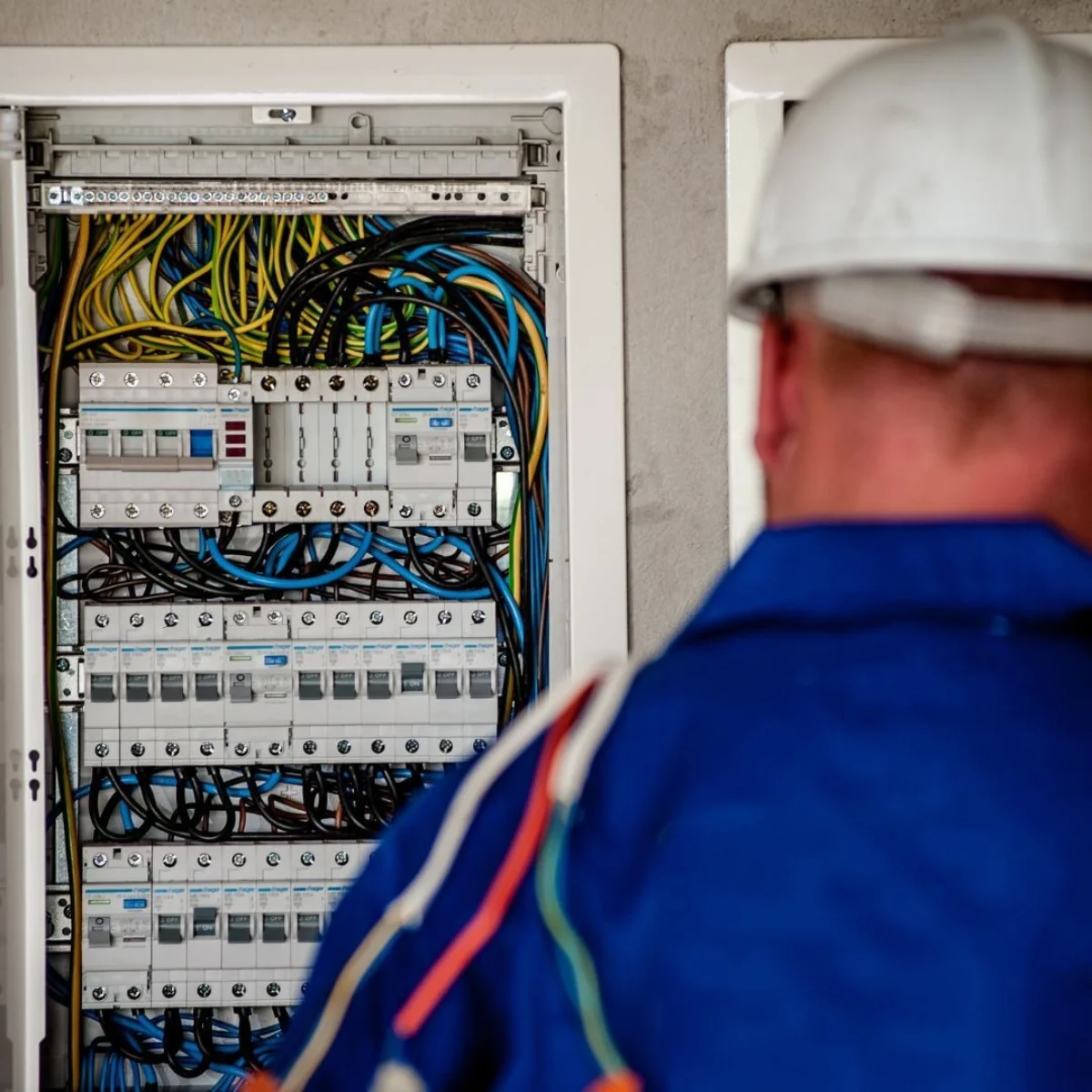
Get hired by a licensed electrical contractor, or enroll in a program that counts toward the journeyman exam.
SkillUp houses short, low-cost programs in one place, so you don't have to call around. Our training catalog lists only programs we have checked for cost, length, and whether they lead to work.
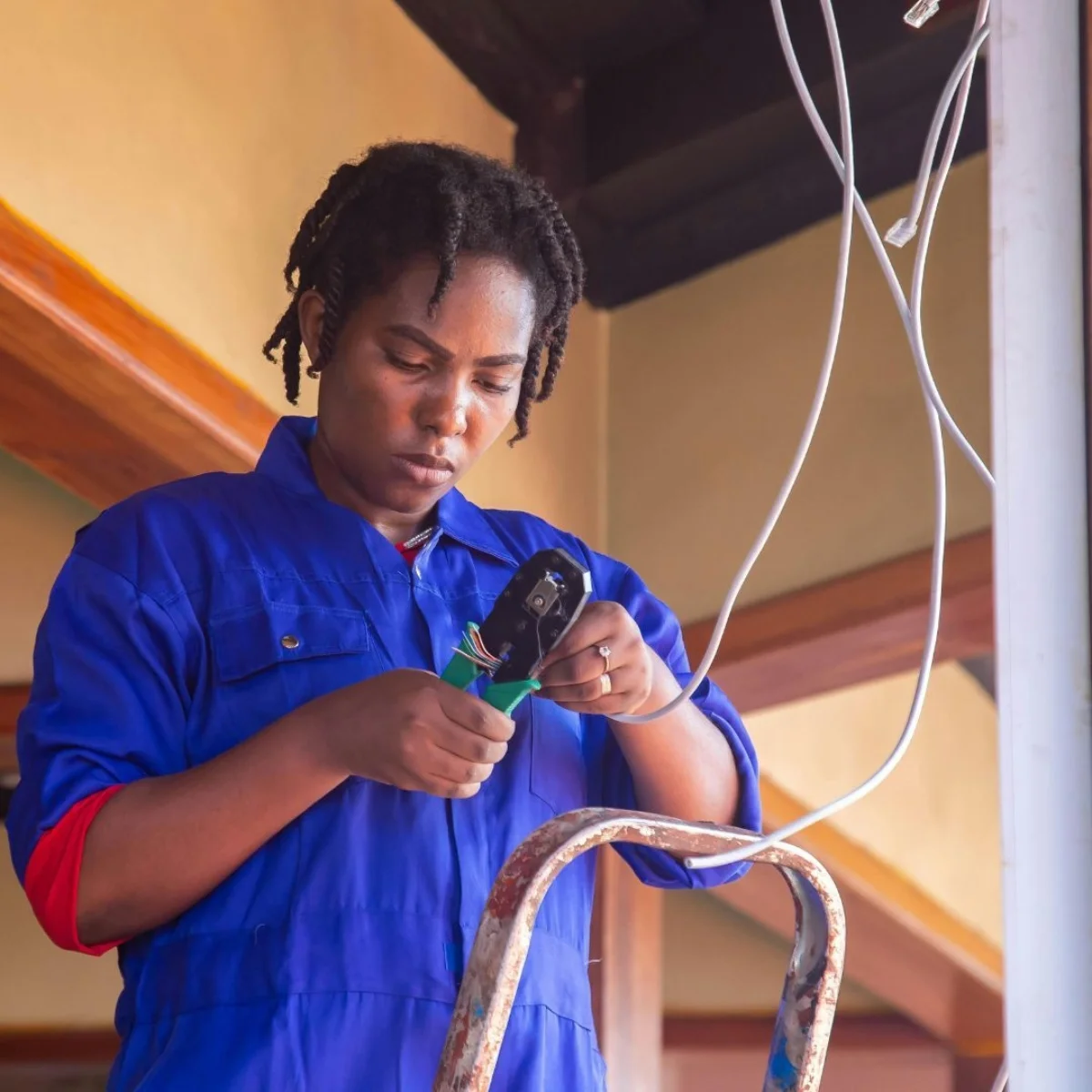
Apprentice electricians in West Virginia work without a license. A master or journeyman electrician must supervise them at all times, and a journeyman can supervise up to three apprentices.
So the first step is a job. Find an electrical contractor who will hire you, and your hours start counting toward a journeyman license from your first day.
The State Fire Marshal's Office licenses electricians statewide. To qualify for the journeyman exam, you meet one of three conditions:
The Fire Marshal's Office gives the exam itself. You get four hours, and you can bring the National Electrical Code, its keyword index, Ugly's Electrical References, and a calculator. Results arrive within 15 business days, and you have a year from the exam date to start your license.
A master license takes two years, or 4,000 hours, of hands-on work mixing residential, commercial, and industrial jobs. Vocational training does not count toward the master hours. A master can design and lay out electrical systems, which a journeyman cannot.
Four specialty licenses each cover one area: electric signs, HVAC, low voltage, and single-family dwellings. Each takes two years, or 4,000 hours, of hands-on work in that specialty, and up to one year of approved coursework counts toward it.
That makes a specialty slower to earn than a journeyman license, and a journeyman license already covers all four specialty areas. Most people aim for journeyman.
Every West Virginia electrician license expires on June 30, so you renew on the same date each year. If a license lapses for more than 12 months, you must retake the test to get it back.
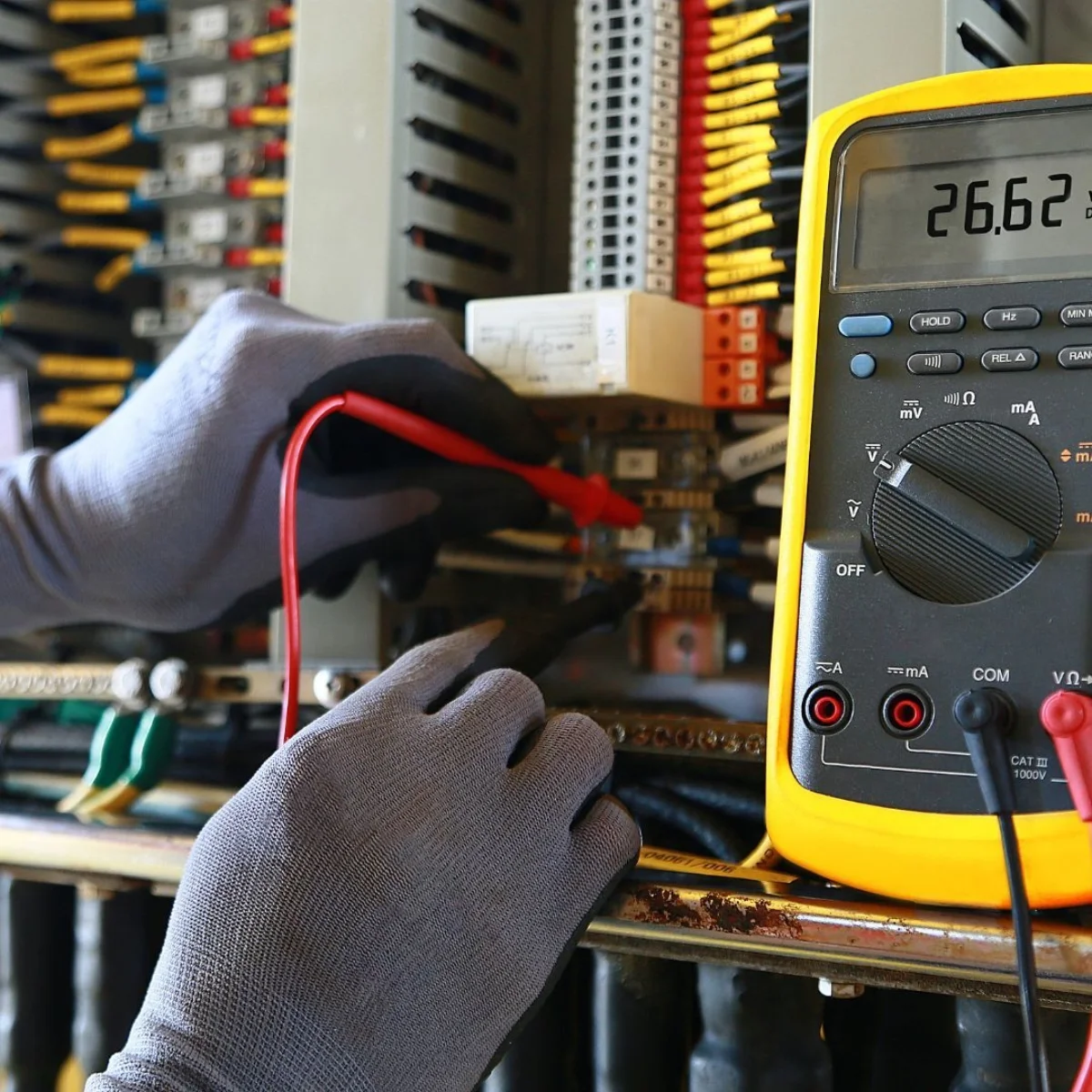
West Virginia employs about 4,290 electricians, and the median is $64,810 a year, or $31.16 an hour.
The Fire Marshal can grant an equivalent West Virginia license without a written exam to someone licensed in another state, as long as you meet West Virginia's minimum hours: 2,000 for journeyman and 4,000 for master. Virginia and West Virginia map journeyman and master licenses to each other.
SkillUp is so much more than a job board. Our free tools support you through each step:
Not to start. Apprentices work without a license as long as a master or journeyman electrician supervises them at all times. Journeymen and masters need a license from the State Fire Marshal's Office.
One year, or 2,000 hours, of hands-on electrical work, then the exam. Completing a US Department of Labor-approved apprenticeship or a 1,080-hour state-approved vocational course also qualifies you.
Yes. A course of at least 1,080 hours approved by the West Virginia Department of Education is one of the three ways to qualify.
Two years, or 4,000 hours, of hands-on work mixing residential, commercial, and industrial jobs. Vocational training does not count toward those hours.
Design and lay out electrical systems. A journeyman can do all other electrical work, including the specialty areas, and supervise up to three apprentices.
June 30 every year. If a license lapses for more than 12 months, you must retake the exam.
The Fire Marshal can grant an equivalent license without a written exam to someone licensed elsewhere, as long as you meet West Virginia's minimum hours. Virginia and West Virginia map journeyman and master licenses to each other.
The median is $64,810 a year, about $31.16 an hour. The top quarter earns above $83,920, and the top ten percent above $95,140. Helpers have a median of $33,680.