For Job Seekers
For Career Exploring
Become a Partner
Search
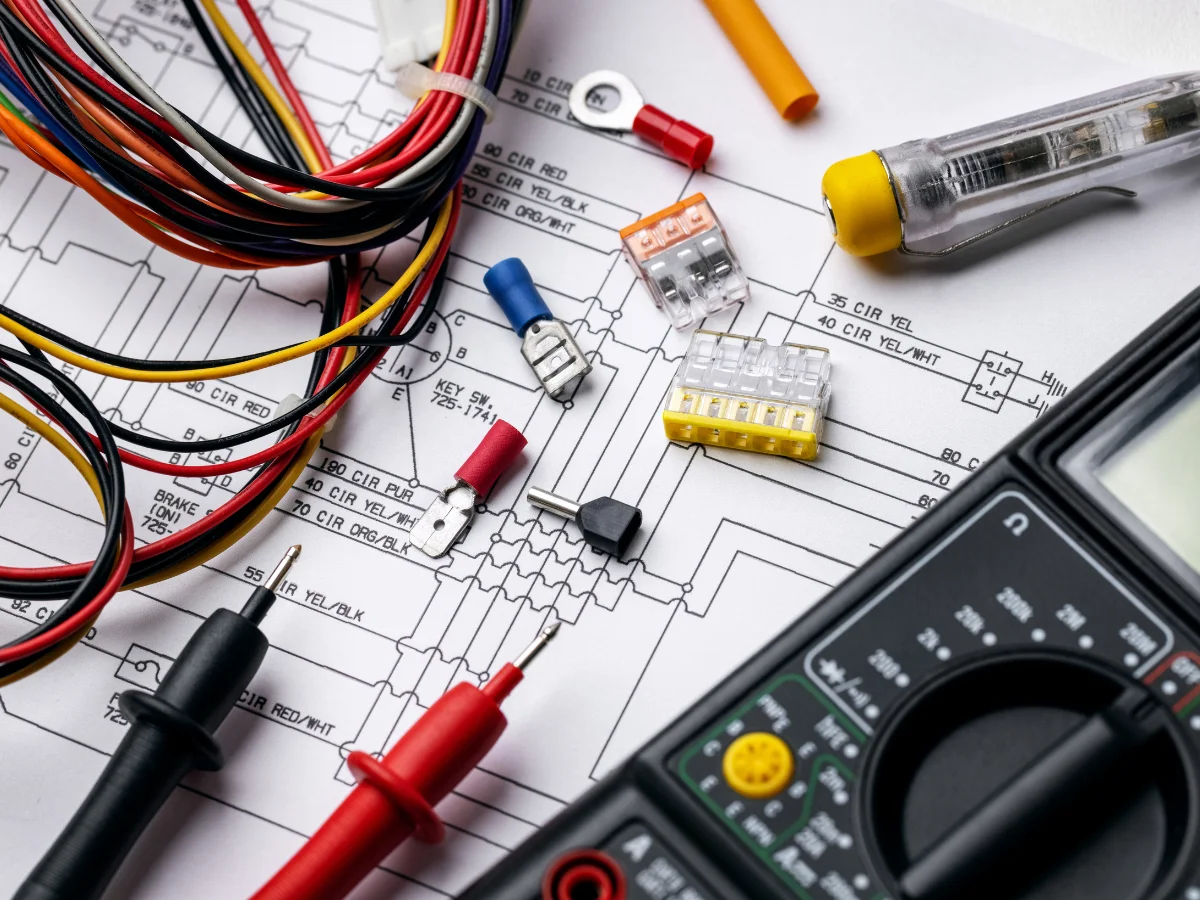
A registered apprenticeship, 8,000 hours, and 96 classroom hours
16 (with a trainee certificate)
$95,220 a year (about $45.78 an hour)
Washington electricians wire aerospace plants around Everett, data centers east of the Cascades, hospitals and tech campuses along Puget Sound, and hydroelectric and grid systems across the state. They pull wire and set conduit, read prints, troubleshoot power and control systems, and handle service calls where diagnosis matters more than speed. Industrial and process work pays above the state median.
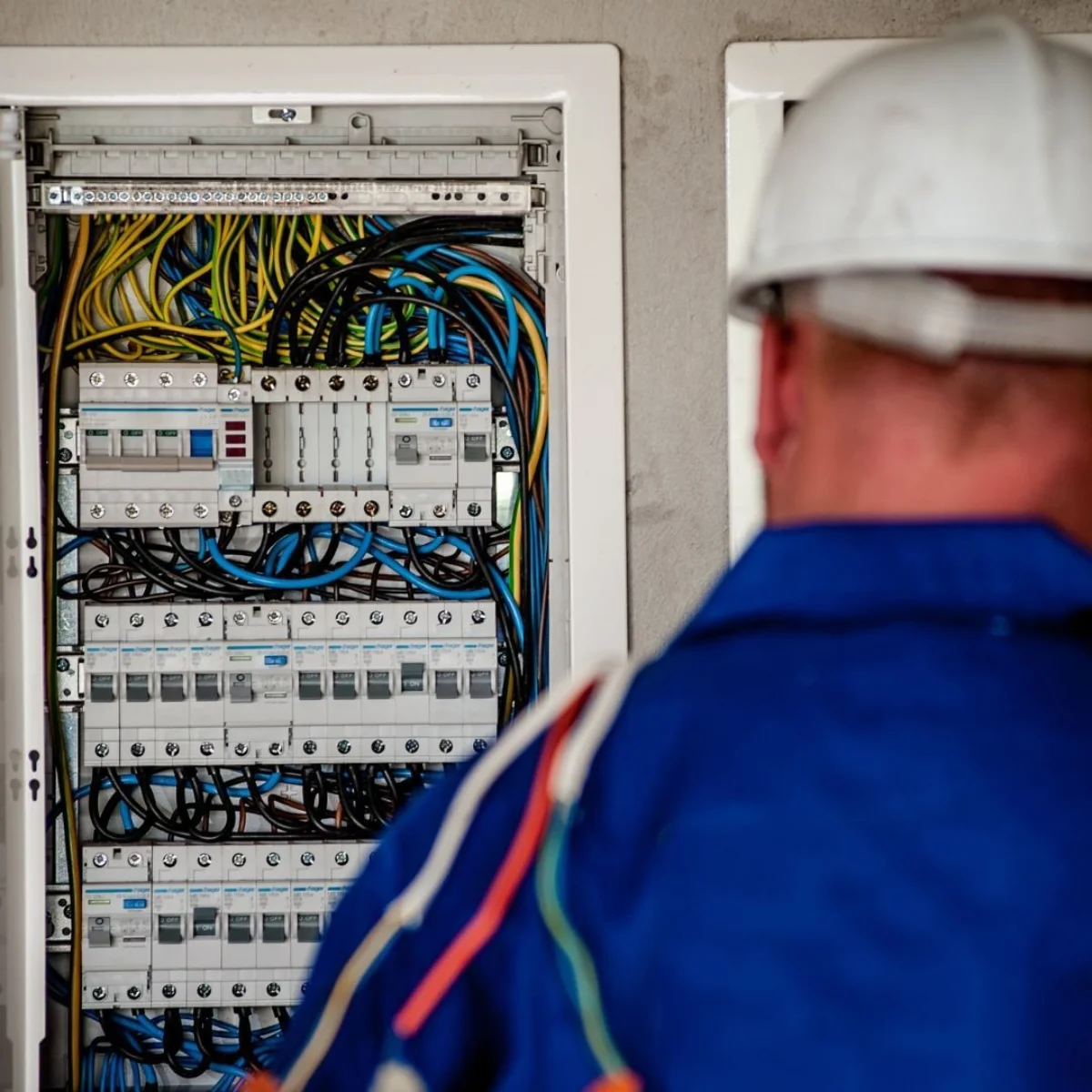
To qualify for the (01) general journey-level exam, you complete a registered apprenticeship program under Washington law. The program covers 8,000 hours of work, at least 4,000 of them in new commercial or industrial installations, plus 96 hours of basic classroom instruction.
Specialty certificates use the trainee model, and the longer ones count toward the general certificate.
A 4,000-hour specialty is both a licensed trade and a head start on the general certificate.
Washington issues an electrical training certificate at age 16, the youngest entry point in the country alongside Texas.
The certificate renews every two years, and each year you complete 24 hours of approved basic classroom instruction. Your employer documents your hours and files them with L&I, and a certified electrician supervises your work.
The (01) exam requires 96 classroom hours; a 4,000-hour specialty requires 48, and a 2,000-hour specialty requires 24.
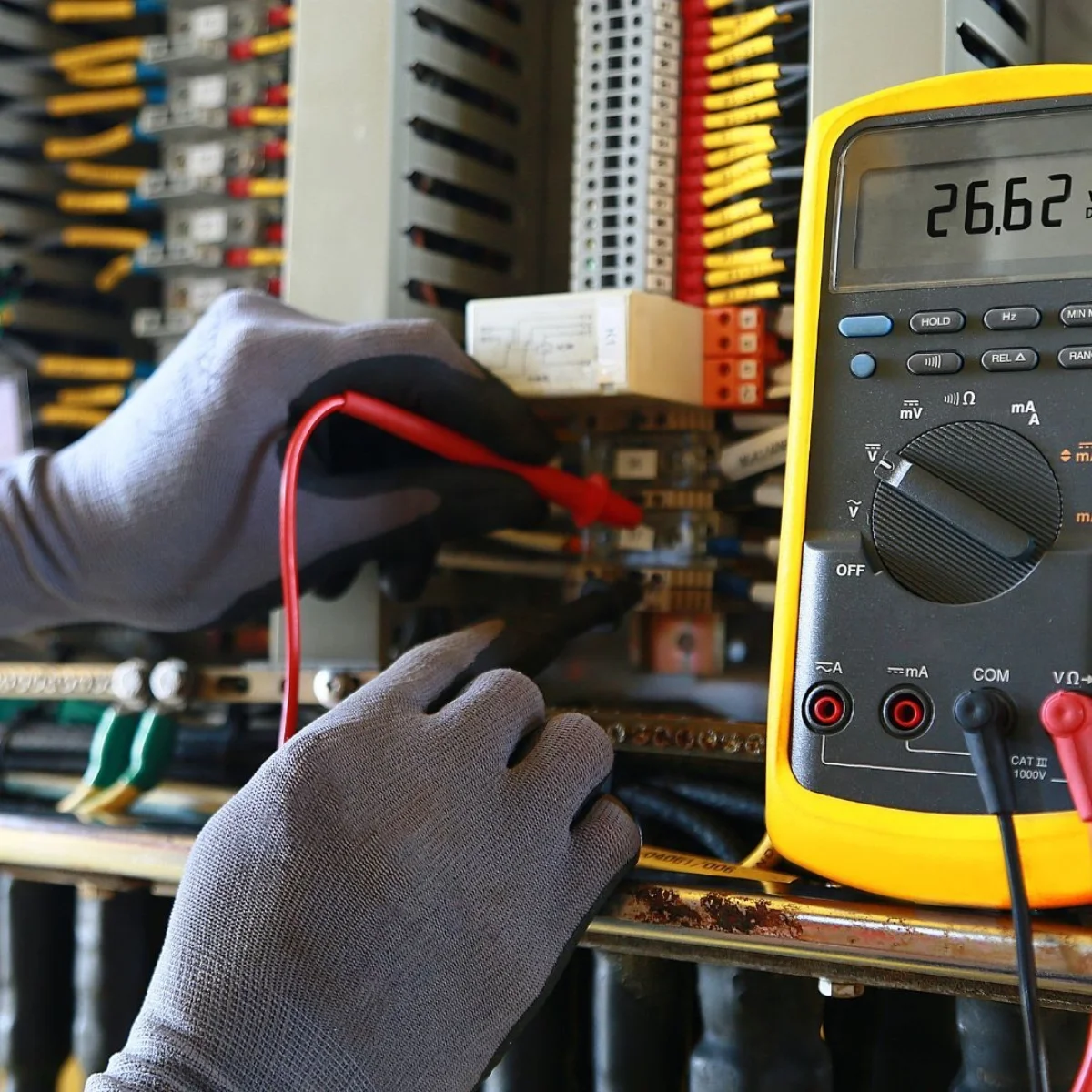
Find a registered apprenticeship. For the (01) certificate, there is only one route.
SkillUp houses short, low-cost programs in one place, so you don't have to call around. Our training catalog lists only programs we have checked for cost, length, and whether they lead to work.
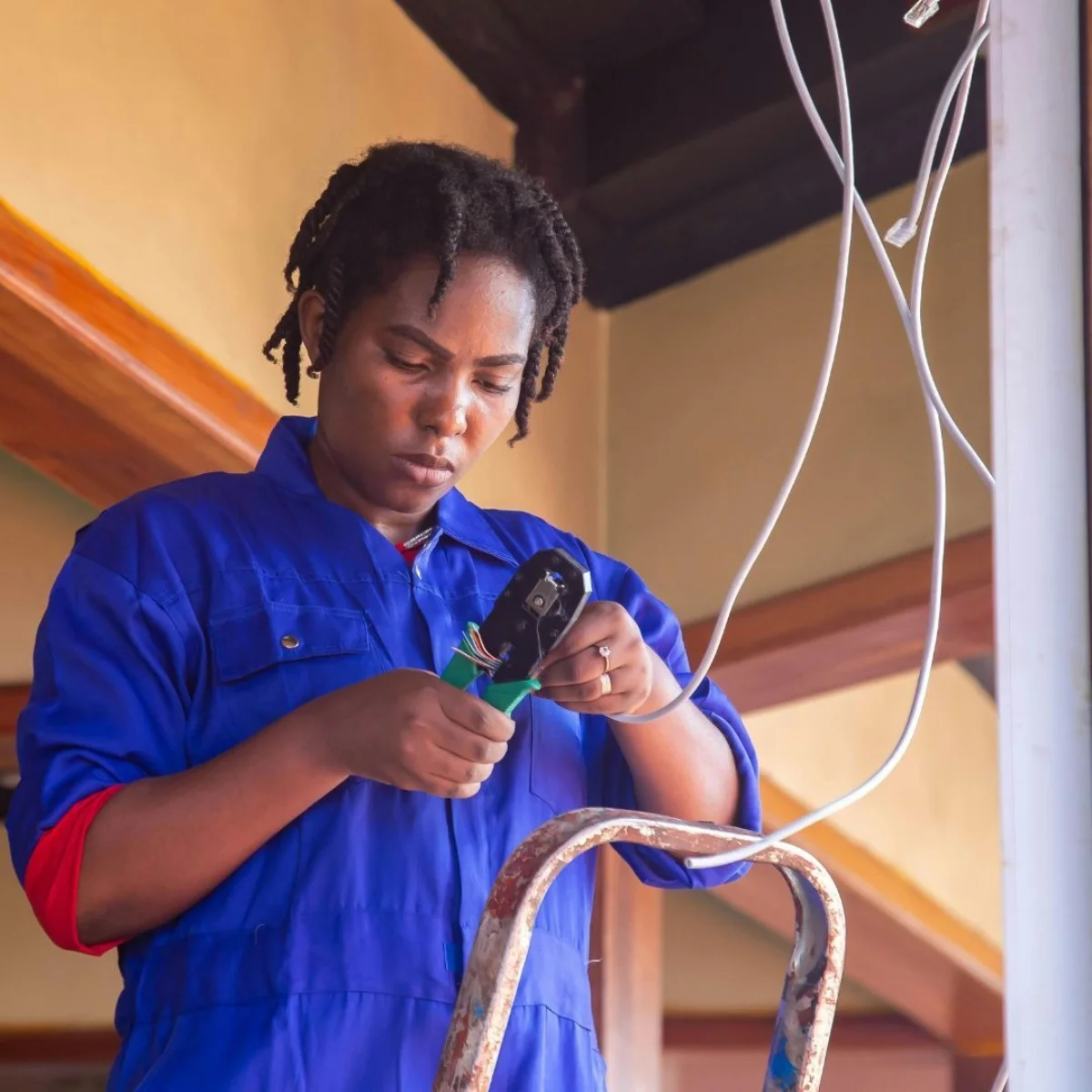
Washington employs about 19,380 electricians, and the median annual salary is $95,220, or $45.78 an hour.

Washington and Oregon hold a reciprocal agreement for general journeyman certificates. It covers Washington (01) certificates earned through an 8,000-hour apprenticeship with at least 576 classroom hours, as well as master (01) certificates.
An out-of-state journey-level certificate earned by examination can also qualify you if your state sets a minimum of 8,000 supervised hours with 4,000 in new commercial or industrial installations.

SkillUp is so much more than a job board. Our free tools support you through each step:
Yes. State law requires anyone working in the electrical trade to have a valid certificate of competency from L&I. Most people start with an electrical training certificate and work under a certified electrician.
Yes, for the (01) general journey level certificate. You complete a registered apprenticeship covering 8,000 hours of work, at least 4,000 of them in new commercial or industrial installations, plus 96 hours of basic classroom instruction.
A certificate covering one area of electrical work, such as residential, HVAC and refrigeration, or sign installation. Most specialties take 4,000 hours and 48 classroom hours, and a few take 2,000 hours and 24 classroom hours.
Hours from a specialty with a 4,000-hour threshold count toward the apprenticeship for the (01) exam. Hours from a 2,000-hour specialty do not.
Renew it every two years and complete 24 hours of approved basic classroom instruction each year.
Washington and Oregon hold a reciprocal agreement for (01) certificates earned through an 8,000-hour apprenticeship with at least 576 classroom hours, and for master (01) certificates. An out-of-state journey-level certificate earned by examination can also qualify you if your state sets a minimum of 8,000 supervised hours with 4,000 in new commercial or industrial installations.
The median is $95,220 a year, about $45.78 an hour. The top quarter earns above $121,530, and the top ten percent above $133,950. Helpers have a median of $61,110.