For Job Seekers
For Career Exploring
Become a Partner
Search
A job with a licensed contractor. No license needed.
Ten classifications of electrical contractor
$56,800 a year, about $27.31 an hour
Electricians in North Carolina support data centers and pharmaceutical plants in the Triangle, banking and commercial towers in Charlotte, furniture and textile manufacturing across the Piedmont, and housing going up almost everywhere. Day to day:
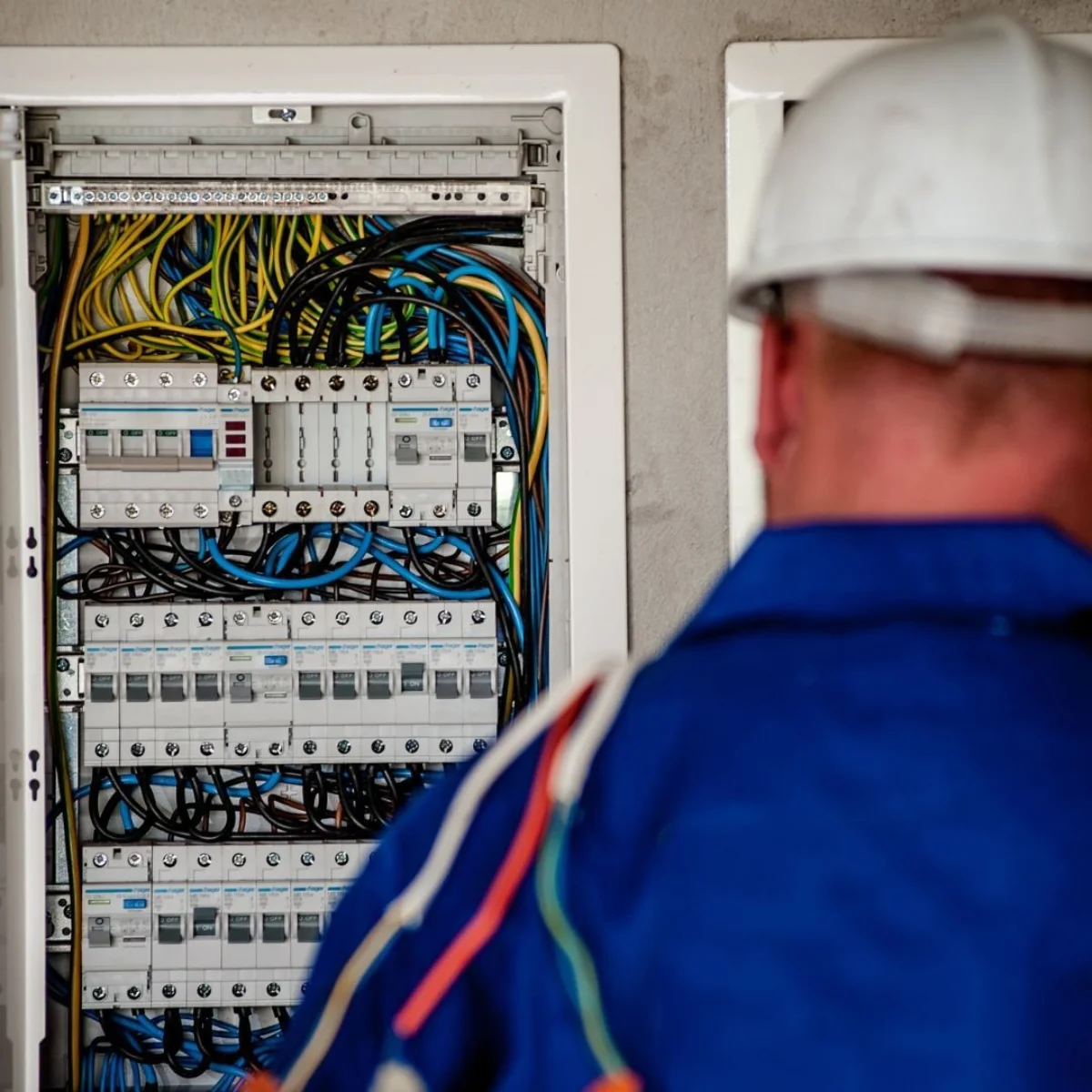
There is no North Carolina journeyman electrician license and no state master license. The State Board of Examiners of Electrical Contractors licenses the business that contracts for the work, not the people doing it.
So you can start as soon as someone hires you. Get a job with a licensed electrical contractor, work under their license, and get paid while you learn the trade and build the hours a license of your own would need later.
The license matters when you want to bid work and pull permits in your own name. Until then, it doesn't stand between you and a paycheck.
The board issues ten classifications. Three cover general electrical contracting and are separated by what a single project can be worth:
The other seven are Special Restricted, each covering one phase of the work at $100 a year. Fire alarm and low voltage, residential dwellings, plumbing and heating, swimming pools, groundwater pumps, electric signs, and elevators. Full scope for each is in the board rules.
Those are worth a serious look if you want licensed work sooner. The fire alarm and low voltage exam is 50 questions rather than 100, the special restricted exams are 40, and the experience each asks for is well short of the unlimited classification.
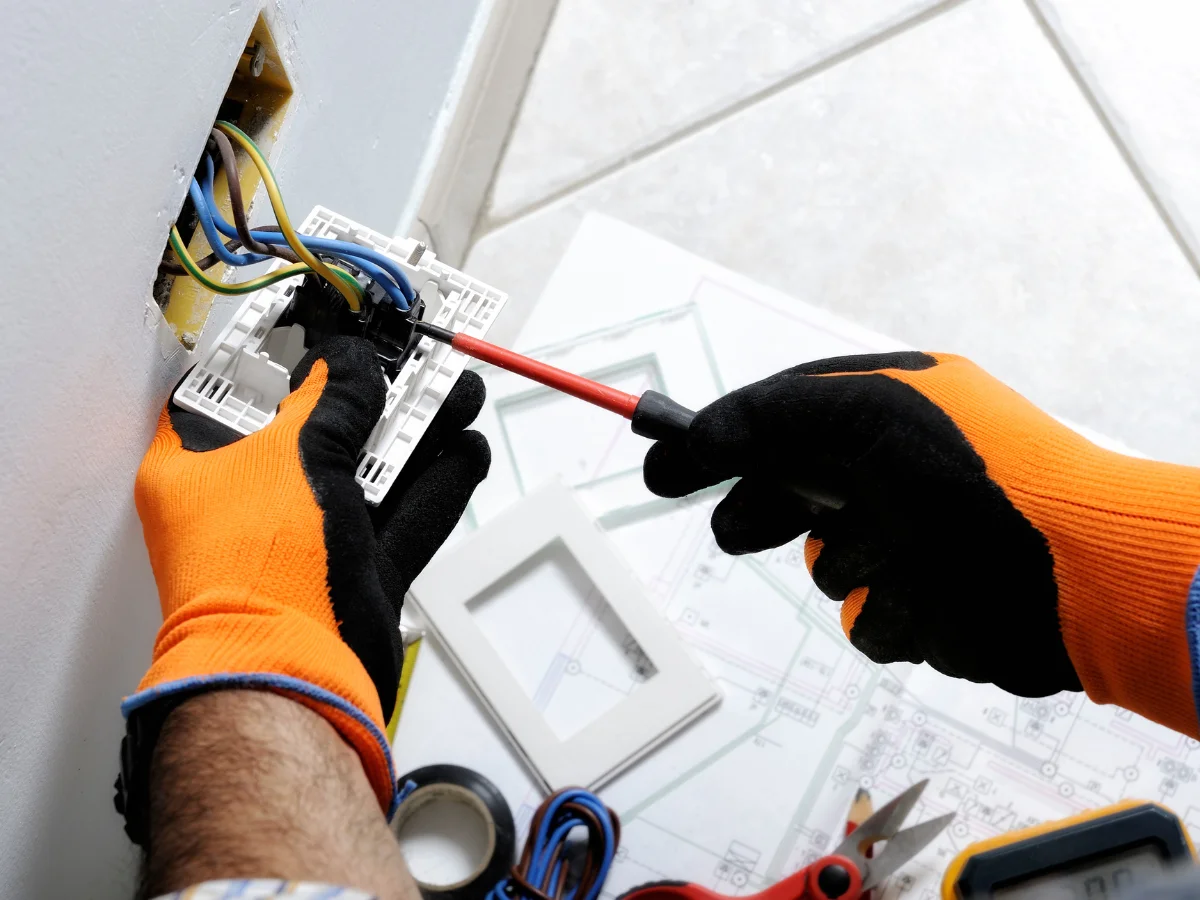
Get hired by a licensed contractor. That starts both your paycheck and the hours the board will count later.
SkillUp houses short, low-cost programs in one place so you’re not calling around. Our North Carolina training catalog only lists programs we have checked for cost, length, and whether they lead to work.
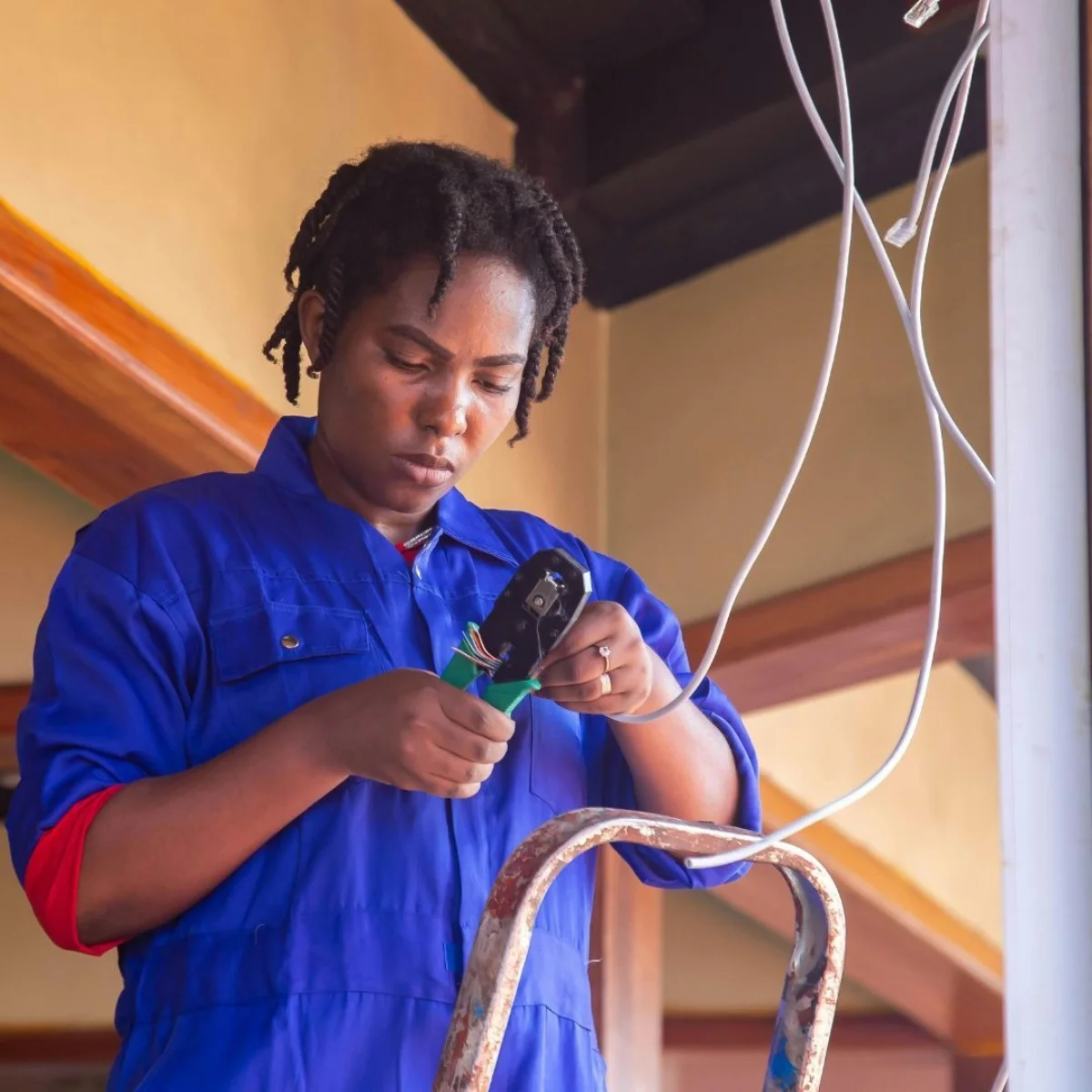
North Carolina employs about 21,640 electricians, and the median is $56,800 a year, or $27.31 an hour.
The board counts experience in hours, with 2,000 hours making a creditable year. For the three general classifications:
The exam costs $125, and you need a score of 70 to pass. It's open book, and you bring your own: the National Electrical Code, NFPA 72, and the NASCLA business guide. Be sure to buy the edition the board specifies rather than the newest.
If you don't pass on the first try, don't sweat it; you can retake the same exam in 90 days. But you can apply for a different classification right away if you meet its hours.
North Carolina holds reciprocity with ten states: Alabama, Florida, Georgia, Mississippi, Ohio, South Carolina, Tennessee, Texas, Virginia, and West Virginia.
If you hold a comparable license in one of those states, the board may waive the trade exam. Each state has its own page on the board site setting out what it accepts, so check yours before assuming.
If you're coming from anywhere else, you apply and sit the exam like any other candidate.

SkillUp is so much more than a job board. Our free tools support you through each step:
No. The state licenses electrical contractors, not electricians. You can work for a licensed contractor without a license of your own and build the hours a license would need later.
No. The board issues contracting licenses only, in ten classifications. There is no state journeyman or master electrician license.
3,000 hours for the Limited classification, 5,750 for Intermediate, and 9,000 for Unlimited, with most of each having to be primary experience. The board counts 2,000 hours as a creditable year.
Project value. Limited covers a single project up to $60,000 on equipment rated at no more than 600 volts. Intermediate covers up to $150,000 with no voltage limit. Unlimited has no cap.
The seven Special Restricted classifications each cover one phase of the work, including fire alarm and low voltage, and ask for less experience than the general classifications. The fire alarm and low voltage exam is 50 questions against 100 for the others.
$125, and you need a score of 70 to pass. It is open-book, and North Carolina tests on the 2020 National Electrical Code, NFPA 72, and the NASCLA business guide.
Yes, with ten: Alabama, Florida, Georgia, Mississippi, Ohio, South Carolina, Tennessee, Texas, Virginia, and West Virginia. The board may waive the trade exam if you hold a comparable license.
The median is $56,800 a year, about $27.31 an hour. The top quarter earns above $61,920, and the top ten percent above $75,060. Helpers have a median of $39,880.