How to Become an Electrician in New York

New York has no state electrician license, and in New York City you don’t need one to start working. Here’s how to get in, what the work pays, and the apprenticeship choice that saves you two years later on.

What You Need to Know

New York at a Glance

To start work in NYC

A supervised job. No license needed.

To reach the master license

Seven years of experience, or five with an apprenticeship.

Median pay in New York

$78,750 a year, about $37.86 an hour

What Electricians Do in New York

New York has old buildings and constant retrofitting, high-rises and hospitals across the boroughs, the subway system, universities upstate, data centers, and housing stock that's been rewired several times over. Day to day, you'll be:

  • Running conduit and pulling wire in high-rises, institutional buildings, and homes
  • Rewiring older properties to current code
  • Reading prints and troubleshooting power, lighting, and control systems
  • Handling service calls, where diagnosis matters more than installation speed

New York Has No State Electrician License

New York does not license electricians at the state level, and there is no state board to apply to. Licensing happens city by city. New York City runs the largest and most demanding program, and Buffalo, Rochester, Syracuse, Albany, Yonkers, and the Long Island counties each run their own with separate exams and experience rules.

A license from one jurisdiction does not authorize you to work in another, so the first question is where you plan to work, not what the state wants.

You Don’t Need a License to Work as an Electrician in NYC

The New York City Administrative Code says electrical work has to be done by a licensed master or special electrician, or by someone under their direct and continuing supervision. So you can work in the five boroughs with no license at all, as long as:

  • You are employed by the licensee. You are an employee of a licensed master electrician’s business, or of a building owner employing a special electrician.
  • You are supervised. A licensed master or special electrician directly and continuously supervises your work.

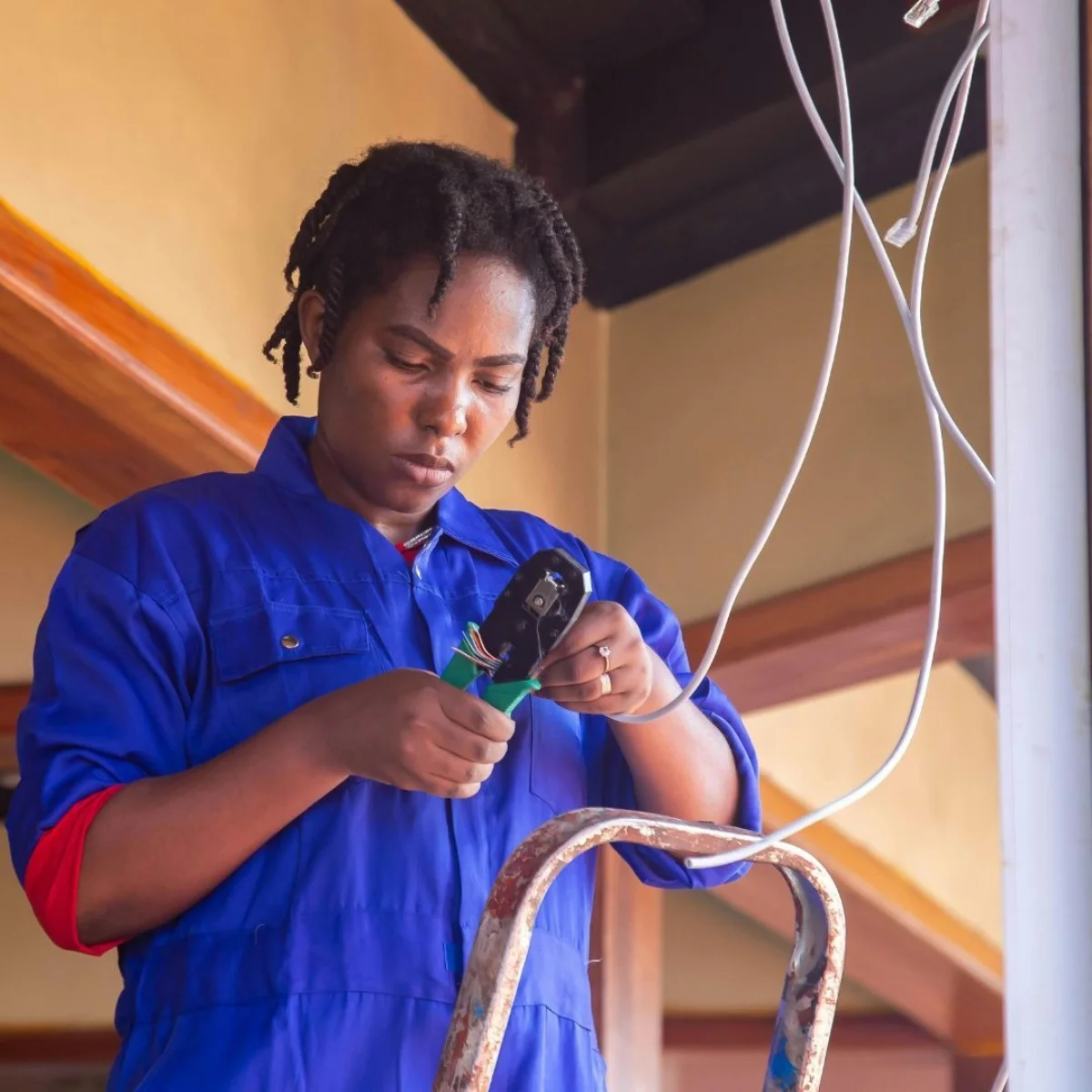
Low voltage work is a separate door. It can be done by qualified persons as defined in the New York City Electrical Code, outside the master electrician rule, so alarm, data, and communications work opens earlier.

Start With the Right Apprenticeship

An apprenticeship pays you while you work, and the one you pick decides how long licensing takes later. It has to be registered with the New York State Department of Labor and cover electrical wiring, installation and design, or applied electricity.

With an apprenticeship, the experience the city requires for licensure drops from seven years to five. The state Department of Labor lists registered programs, which is the place to start if you do not have an employer yet.

  • Registered apprenticeships. IBEW locals and their joint training committees run large programs in the city and upstate, and Independent Electrical Contractors runs a merit-shop alternative. Five years, paid, classroom included.
  • Community colleges. City and community colleges run electrical programs that pair with employment, and some feed directly into apprenticeships.

SkillUp houses short, low-cost programs in one place so you’re not calling around. Our New York training catalog only lists programs we have checked for cost, length, and whether they lead to work.

What Electricians Earn in New York

New York employs about 40,130 electricians, and the median is $78,750 a year, or $37.86 an hour.

  • Bottom ten percent: $45,740
  • Median: $78,750
  • Top quarter: above $106,420
  • Top ten percent: above $131,640

In the New York City metro area, where most of the state’s electricians work, the median is similar at $79,020. The difference is higher up, where the top quarter starts at $126,030.

The Master License (When You Get There)

The license lets you pull permits and take jobs in your own name, so it matters later rather than now. The Department of Buildings issues two: Master Electrician, for contracting independently, and Special Electrician, for work done for a building owner.

You have to be at least 18 and meet one of several experience routes. The three that matter most:

  • Experience alone. Seven years within the ten before you apply, working with your tools under a licensed master or special electrician.
  • With an apprenticeship. Five years, if you completed a program registered with the New York State Department of Labor covering electrical work.
  • With a degree. Three years, with a bachelor’s in electrical engineering or engineering technology.

On every route, at least two of those years have to be worked in New York City. That part cannot be substituted.

Working Outside New York City

Upstate suits people who want to stay on the tools, because several cities license journeymen where the city does not. Buffalo issues one after five years under a master, plus an exam. Albany licenses apprentices and journeymen both, and credits a state-approved apprenticeship of 5,000 hours plus two years of practical experience.

Call the building department where you plan to work and ask what they license, how many years they want, and whether they accept a license from another New York jurisdiction.

New York holds no reciprocity with other states, and the Department of Buildings does not recognize an out-of-state master electrician credential.

Start Your New York Electrician Career

FAQs

Do I need a license to work as an electrician in New York City?

No. The New York City Administrative Code allows electrical work to be done by someone working under the direct and continuing supervision of a licensed master or special electrician, as an employee of that licensee. You need a license to contract for work yourself and pull permits.

Is there a New York City journeyman electrician license?

No. New York City issues Master Electrician and Special Electrician licenses only. Several cities upstate do license journeymen, including Buffalo and Albany, so a journeyman route exists in New York, just not in the five boroughs.

How long does it take to get licensed in New York City?

Seven years of experience within the ten years before you apply is the standard route. Completing an apprenticeship registered with the New York State Department of Labor reduces it to five years, and an electrical engineering degree reduces it to three.

How old do I have to be?

18 for a New York City Master or Special Electrician license. You also have to be able to read and write English, be fit to do the work, and be of good moral character.

How do I apply in New York City?

Through DOB NOW: Licensing. Since February 23, 2026, the Department of Buildings no longer accepts paper applications or walk-in submissions for electrician licenses.

Do I need continuing education?

Yes, in New York City. Master and Special Electricians complete eight hours of department-approved continuing education a year, which works out to 24 hours over a three-year electrical code cycle.

Does New York have reciprocity with other states?

No, because there is no state license to reciprocate with. The New York City Department of Buildings does not recognize out-of-state master electrician credentials, so you would complete the full city process.

How much do electricians make in New York?

The median is $78,750 a year, about $37.86 an hour. The top quarter earns above $106,420, and the top ten percent above $131,640. Helpers have a median of $47,210.