For Job Seekers
For Career Exploring
Become a Partner
Search
None
Your city or county
$68,490 a year, about $32.93 an hour
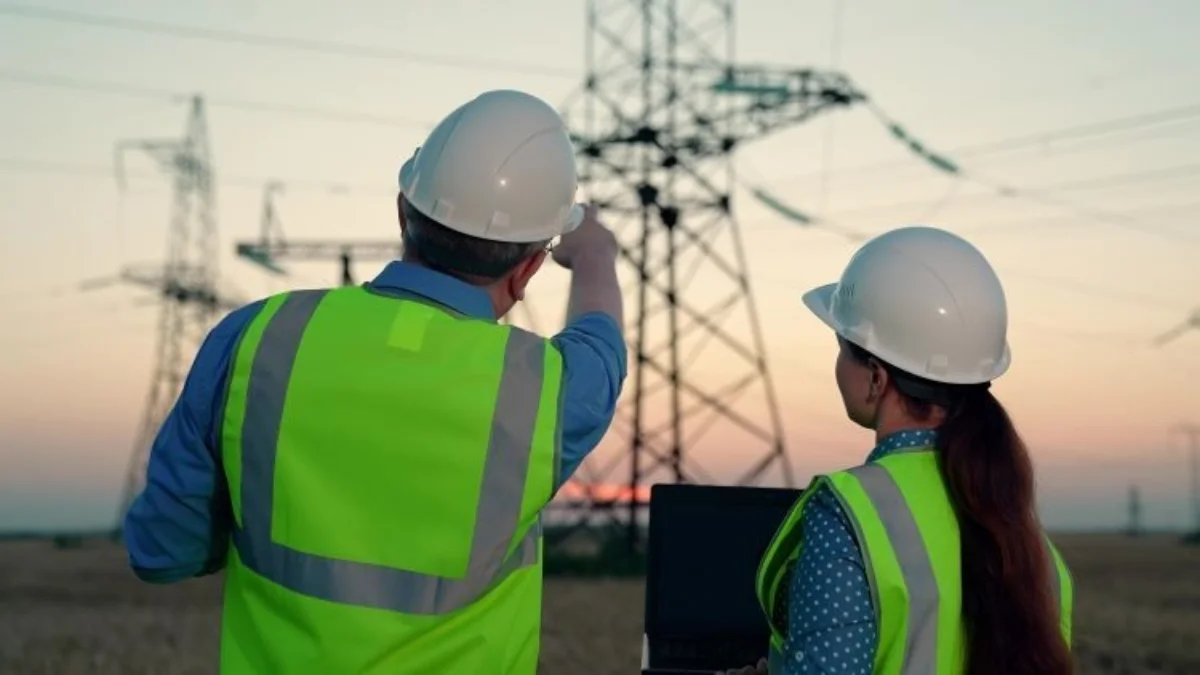
Indiana builds things: Auto and RV plants, steel in the northwest corner, pharmaceutical and life sciences work around Indianapolis, and a wave of data centers going up across the state. All of it needs power, and somebody’s got to install it and keep it running.
Day to day:
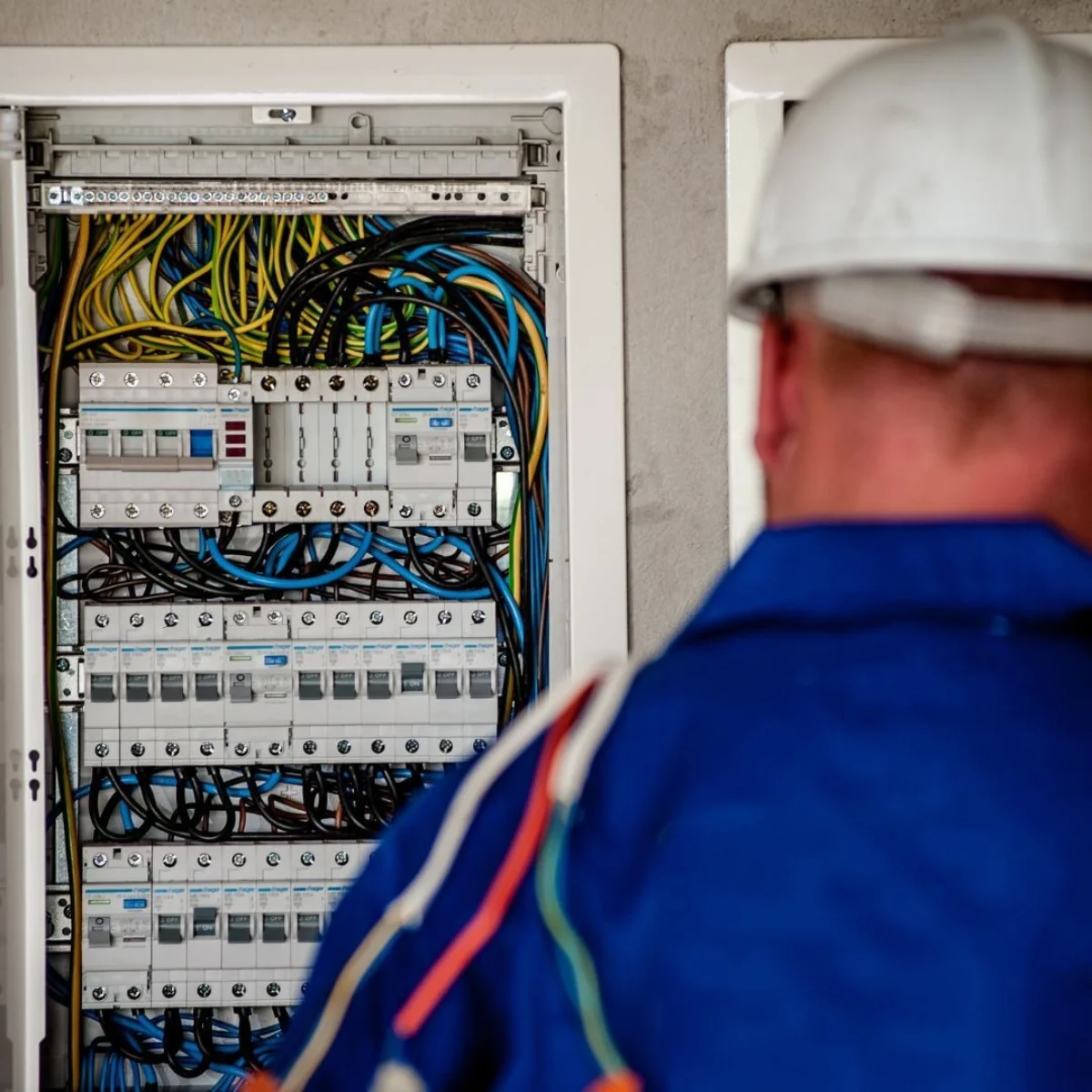
There’s no Indiana journeyman electrician license, no state master license, and no state electrical contractor license either. The Professional Licensing Agency publishes the list of professions it licenses, and electricians are not on it. Cities and counties run their own electrical programs, set their own experience rules, and give their own exams.
That distinction trips up a lot of internet sources, including some that look reputable. If you find one citing an Indiana statute for a state electrical license, check the citation. The section usually named governs the Plumbing Commission. Plan around a license that doesn’t exist and you’ll pay for the wrong application and still won’t be able to work where you live.
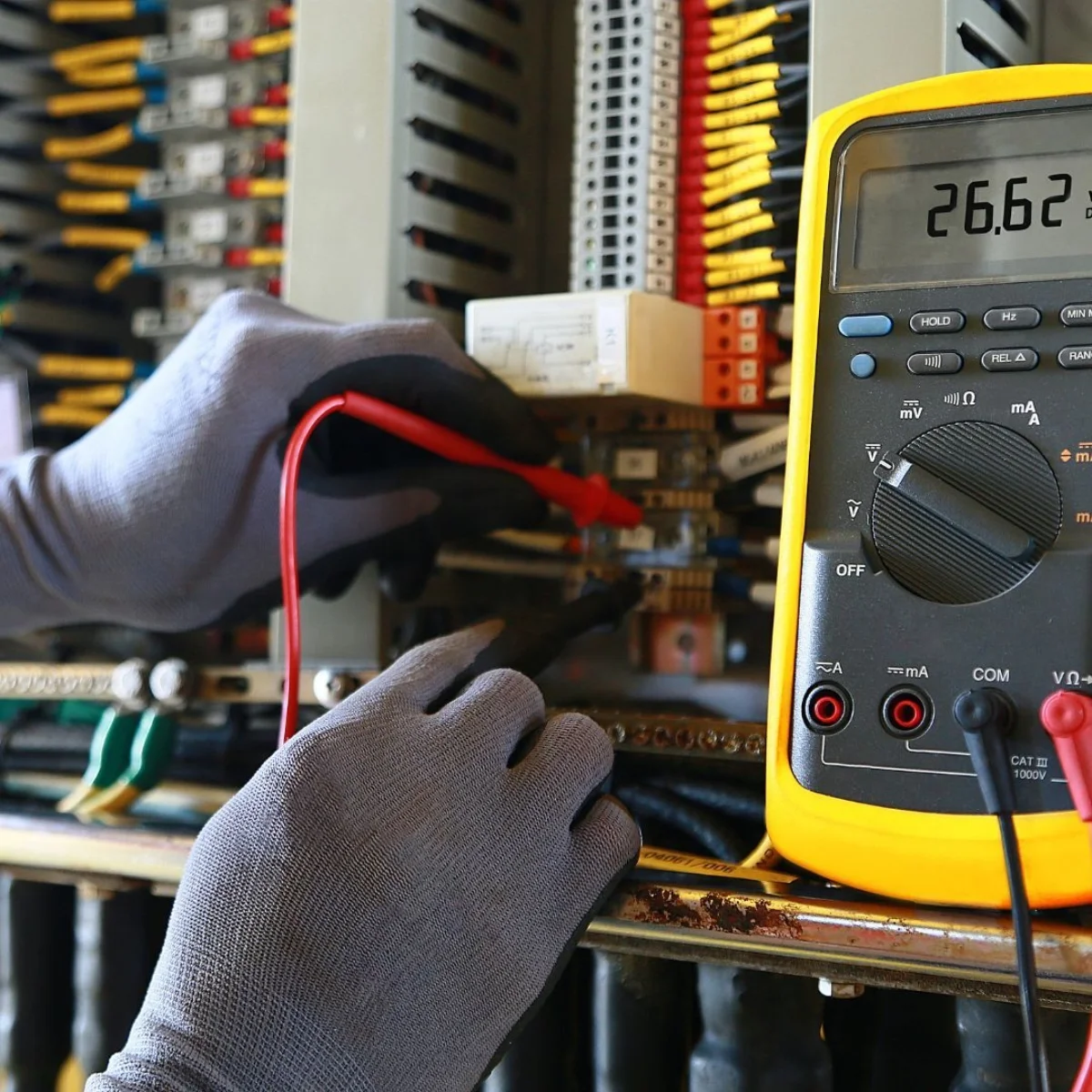
The pattern across all of them is four years of documented work, an open-book exam on the current electrical code, and proof of who supervised you. With those in order, you’ll qualify almost anywhere in the state.
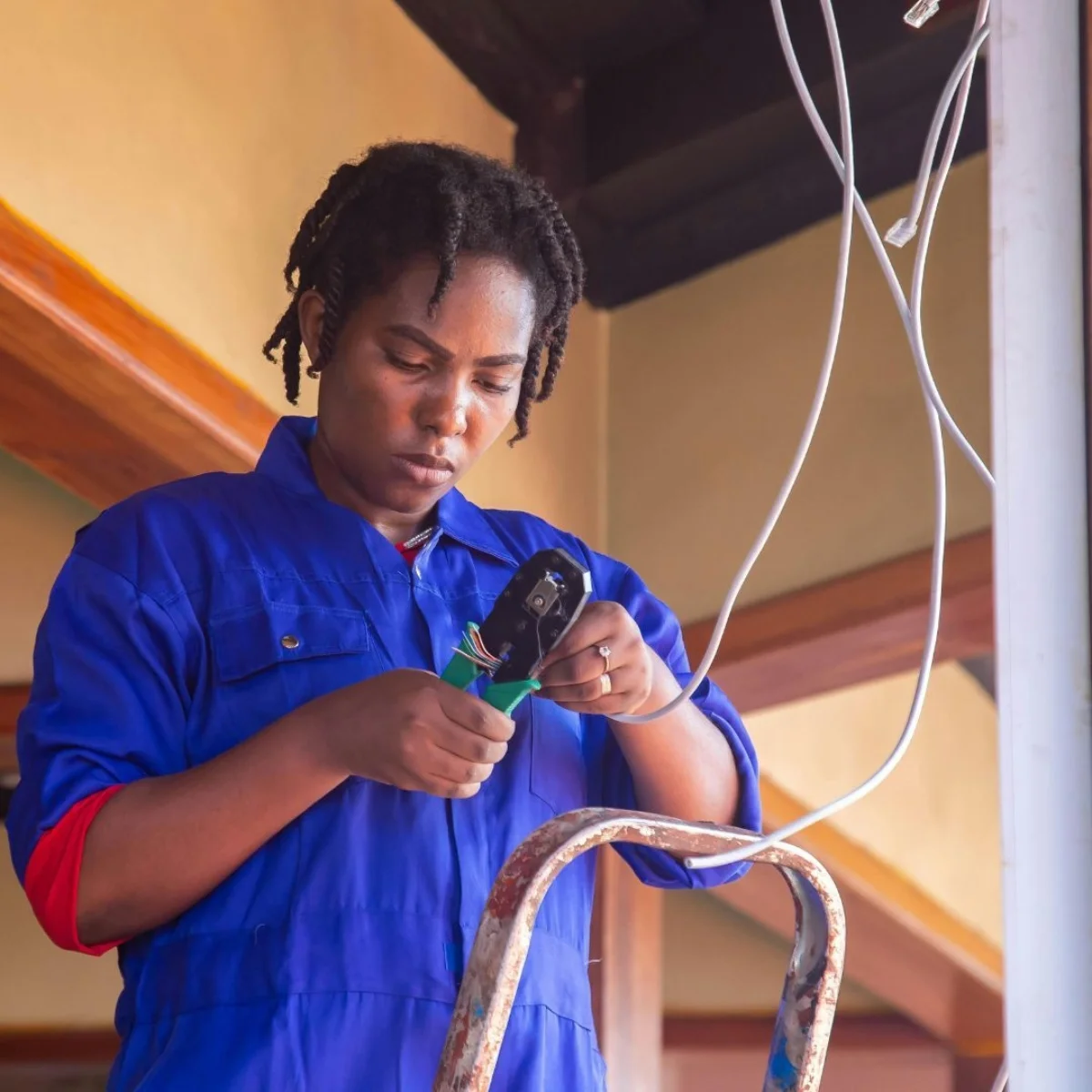
Get hired first. Indiana ties everything to documented hours under a licensed electrician, so the job’s what starts the clock. Registered apprenticeships pay you while you log those hours and cover the classroom side at the same time.
SkillUp houses short, low-cost programs in one place so you’re not calling around. Our Indiana training catalog only lists programs we have checked for cost, length, and whether they lead to work.
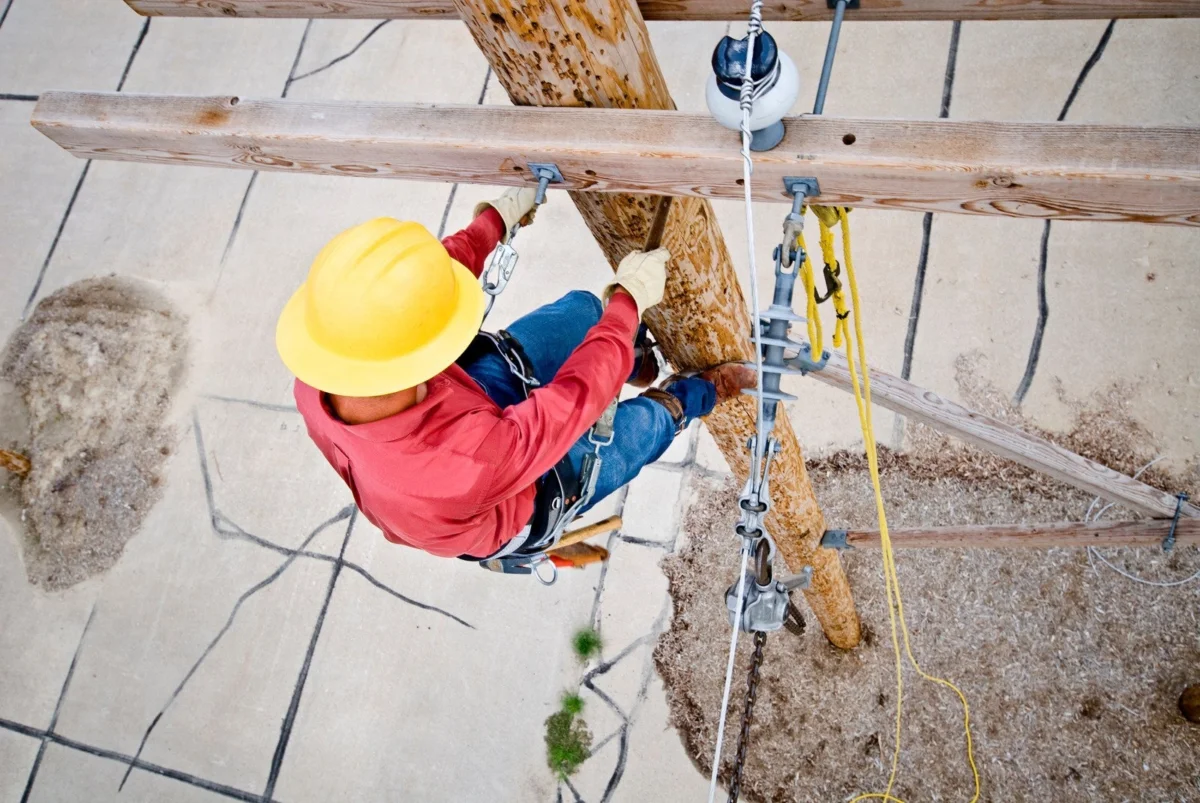
Indiana employs about 19,020 electricians, and the median is $68,490 a year, or $32.93 an hour.

Because there’s no state license, Indiana has no formal reciprocity with other states. Coming from out of state, expect to sit a local exam.
Inside Indiana, it’s easier than it looks. Plenty of jurisdictions accept licenses from other Indiana jurisdictions, so one card can cover a lot of ground. Ask the building department where you’re headed whether they’ll take the one you already hold before you pay to test again.

SkillUp is so much more than a job board. Our free tools support you through each step:
No. Indiana issues no statewide journeyman or master electrician license. Cities and counties license electricians, and each sets its own experience rules and exams.
None at the state level. The Professional Licensing Agency runs the state’s licensing boards, and plumbing is the trade it licenses in this space. Electrical licensing happens at your city or county building department.
Call the building department where you plan to work and ask what they license, how many years of experience they want, and whether they accept a license from another Indiana jurisdiction.
Four years in most jurisdictions, and six in Indianapolis unless you pair four years with college coursework. Some counties will credit electrical technology coursework against part of it.
In several counties, yes. Allen County has apprentices register with the building department. Ask locally on your first day, because unregistered time may not count later.
No. Indiana licenses no electrical trade at the state level, for workers or for business owners. Some pages claim otherwise and cite a statute for it; that statute governs plumbing. Contractor licensing happens locally, so check the jurisdictions you plan to work in.
Not at the state level, because there is no state license to reciprocate with. Many Indiana jurisdictions do accept licenses from other Indiana jurisdictions.
Jurisdictions across Indiana test on the current National Electrical Code, and the exams are generally open book, so you can bring a tabbed code book.
The median is $68,490 a year, about $32.93 an hour. The top quarter earns above $91,290, and the top ten percent above $99,310. Helpers have a median of $36,200.