For Job Seekers
For Career Exploring
Become a Partner
Search
None exists
Your city or village
$99,560 a year, about $47.87 an hour
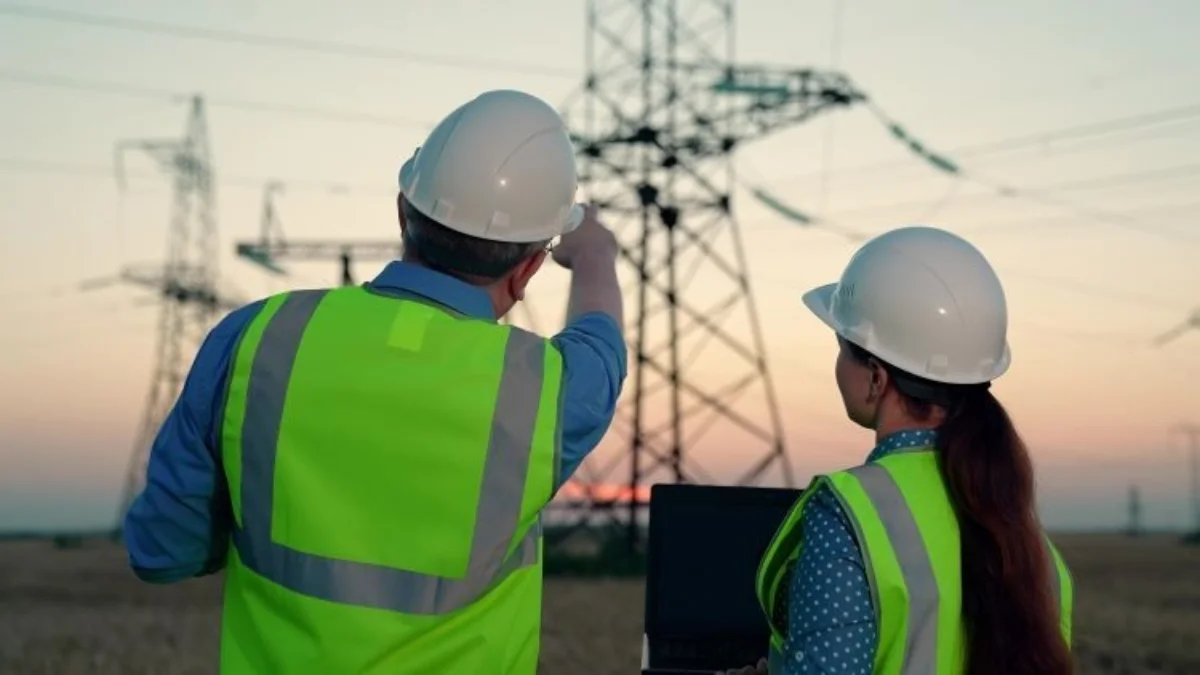
The state has listed electricians as a shortage occupation, especially in Chicago, due to data centers, electric vehicle manufacturing, clean energy work, and a long-term modernization program at O’Hare.
Day-to-day:
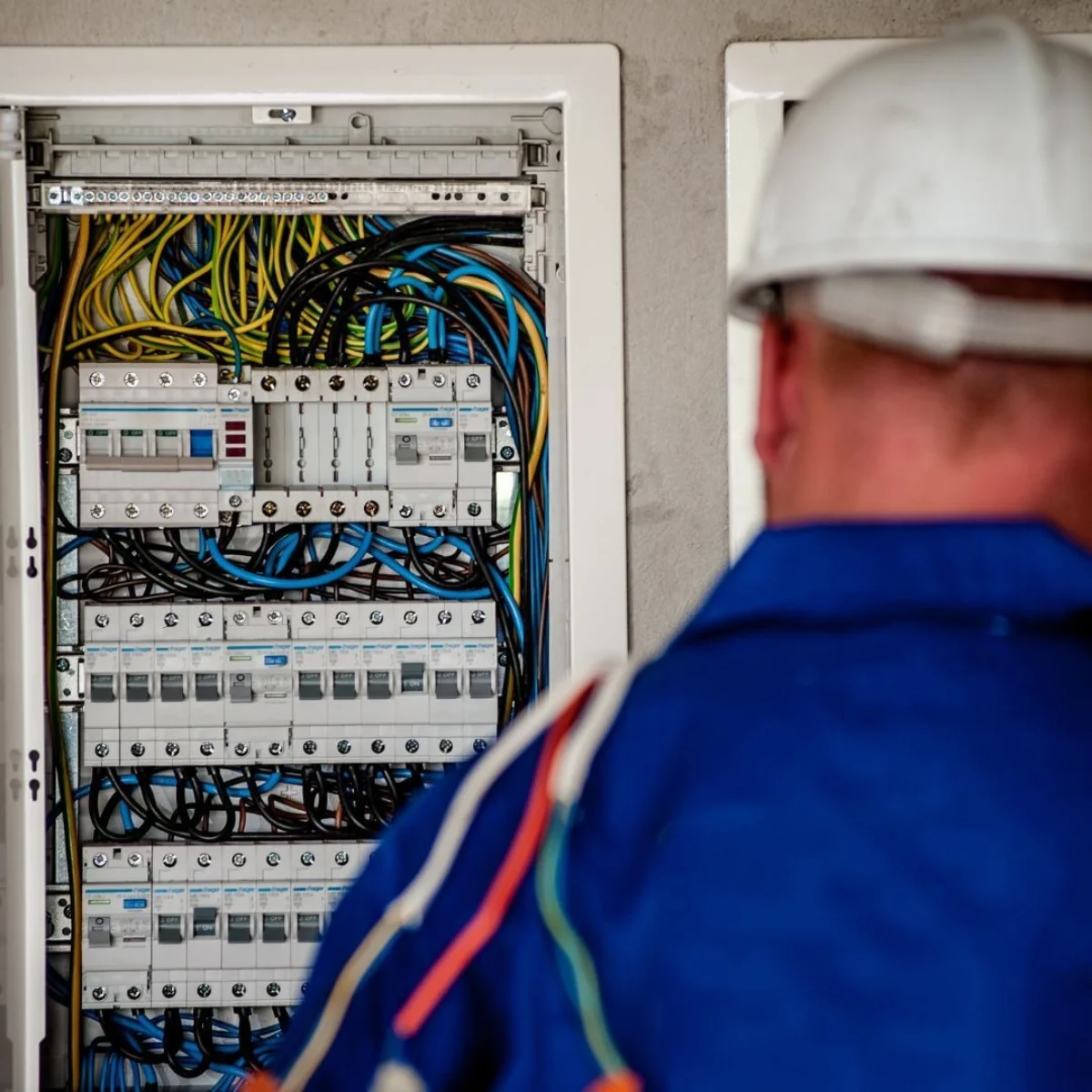
Illinois is one of the few states with no electrical licensing at the state level whatsoever, and the Department of Financial and Professional Regulation doesn’t license electricians.
You may run across pages citing a statute number for an Illinois state electrical contractor act. The section usually named is the Illinois Plumbing License Law. If you plan around a state license that doesn’t exist, you’ll spend money on the wrong application and still won’t be able to pull a permit where you’re working.
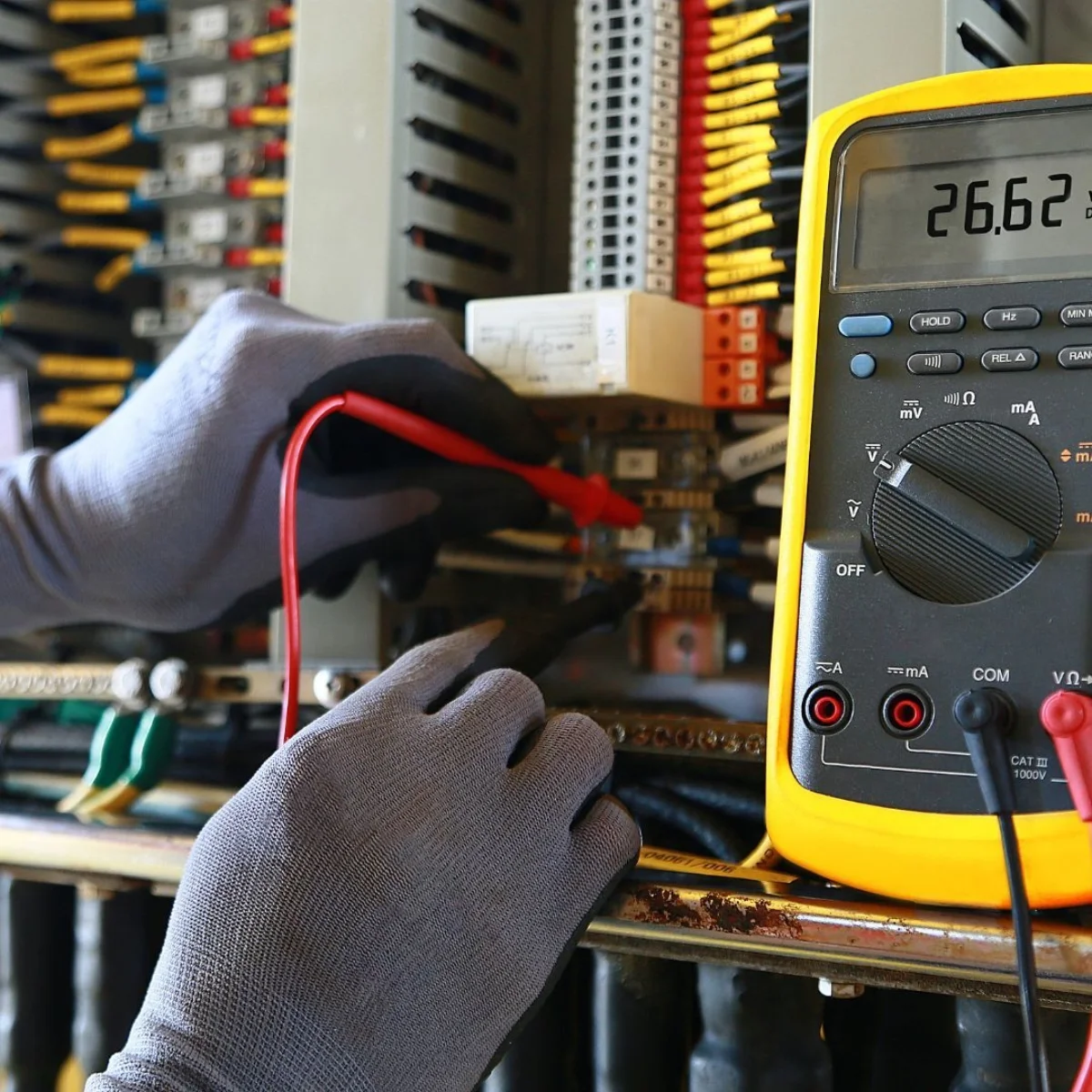
Licensing in Illinois happens at the municipal level, so the rules change when you cross a city line.
So the practical move is to call the building department where you want to work and ask, “Do you license electricians, and do you accept a license from another Illinois city?”
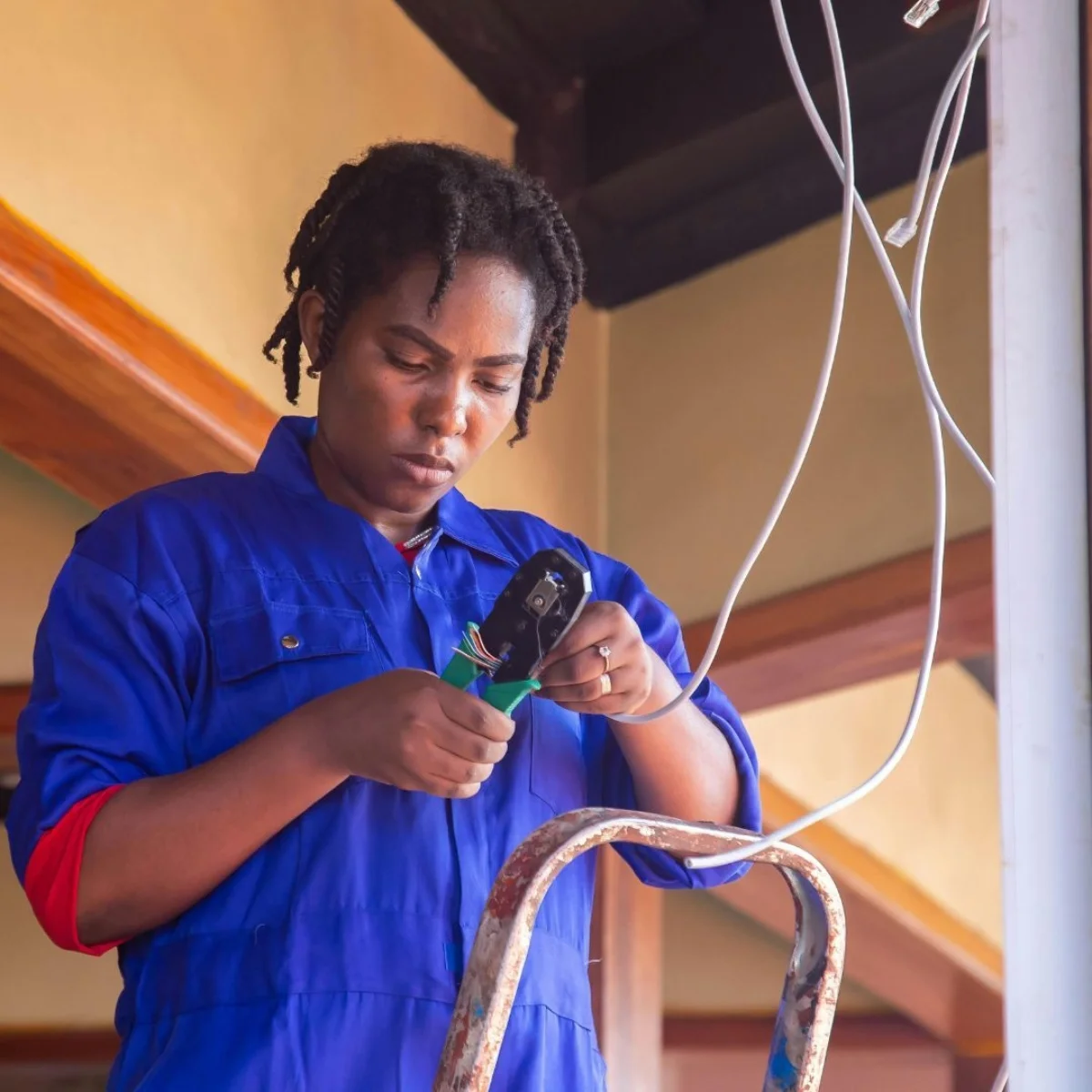
While other states allow you to learn the ropes as an electrician’s helper, Illinois prefers apprenticeships.
SkillUp houses short, low-cost programs in one place so you’re not calling around. Our Illinois training catalog only lists programs we have checked for cost, length, and whether they lead to work.
Illinois employs about 23,120 electricians, and the median is $99,560 a year, or $47.87 an hour.
The money is real, and so is the queue. Illinois employs fewer electricians per worker than the national average, and with no helper track and competitive apprenticeships, getting in takes longer here than in a lot of states.
Because there’s no state license, Illinois has no formal reciprocity with anywhere else. If you’re coming from out of state, you’ll almost certainly sit a local exam somewhere in Illinois. Once you hold one from a substantial city, moving around inside the state gets much easier.
So if you expect to work across several towns, get licensed in the strictest jurisdiction you can rather than the nearest one. A license from a demanding city travels. A license from a lenient one often doesn’t.

SkillUp is so much more than a job board. Our free tools support you through each step:
No. Illinois issues no electrician license at any level, and no state electrical contractor license either. Licensing is handled entirely by cities and villages. The Department of Financial and Professional Regulation does not license electricians.
Not from the state. Some municipalities issue journeyman cards, and many skip that tier entirely, licensing only contractors and supervising electricians. What exists depends on where you work.
Call the building department where you plan to work and ask whether they license electricians and whether they accept licenses from other Illinois cities. There is no complete statewide list of municipal rules, so the phone call is the reliable route.
That depends on your municipality. Many require a license to work unsupervised or to pull permits, while apprentices generally work under someone else’s license. Chicago runs the most demanding program in the state.
Four to five years through an apprenticeship. That timeline comes from the program rather than a state rule, since Illinois sets no statewide hour requirement.
No, because there is no state license to reciprocate with. Many Illinois cities do recognize licenses from other Illinois cities, though, so a license from a larger jurisdiction can be worth more than the nearest one.
The median is $99,560 a year, about $47.87 an hour. The bottom quarter earn above $73,520 and the top ten percent above $123,660.
The federal wage survey counts only about thirty statewide. Illinois electrical work runs through structured apprenticeships rather than informal helper roles, so the way in is a program rather than a starter job.