How to Become an Electrician in Colorado

Register as an apprentice, log your hours, pass the exam. Here’s how the ladder works, what the state asks at each rung, and where to train while you get paid.

What You Need to Know

Colorado at a Glance

Before you start

Register as an apprentice with the state

Hours to journeyman

8,000, over at least four years

Median pay in Colorado

$62,230 a year, about $29.92 an hour

What Electricians Do in Colorado

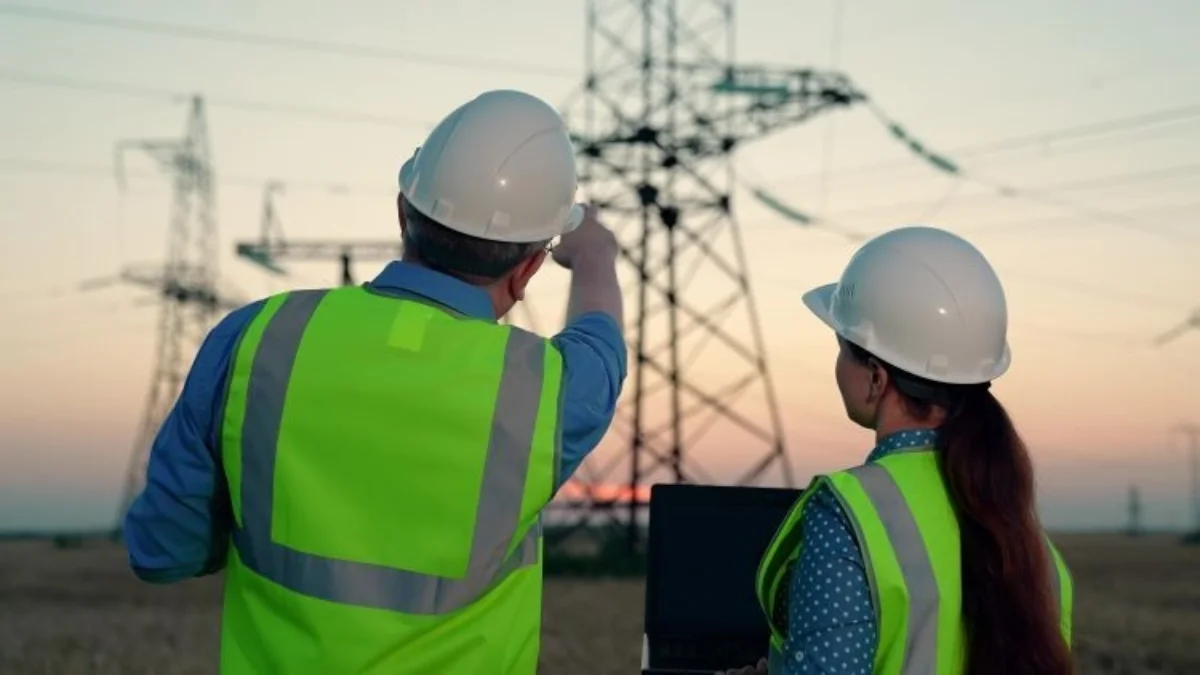
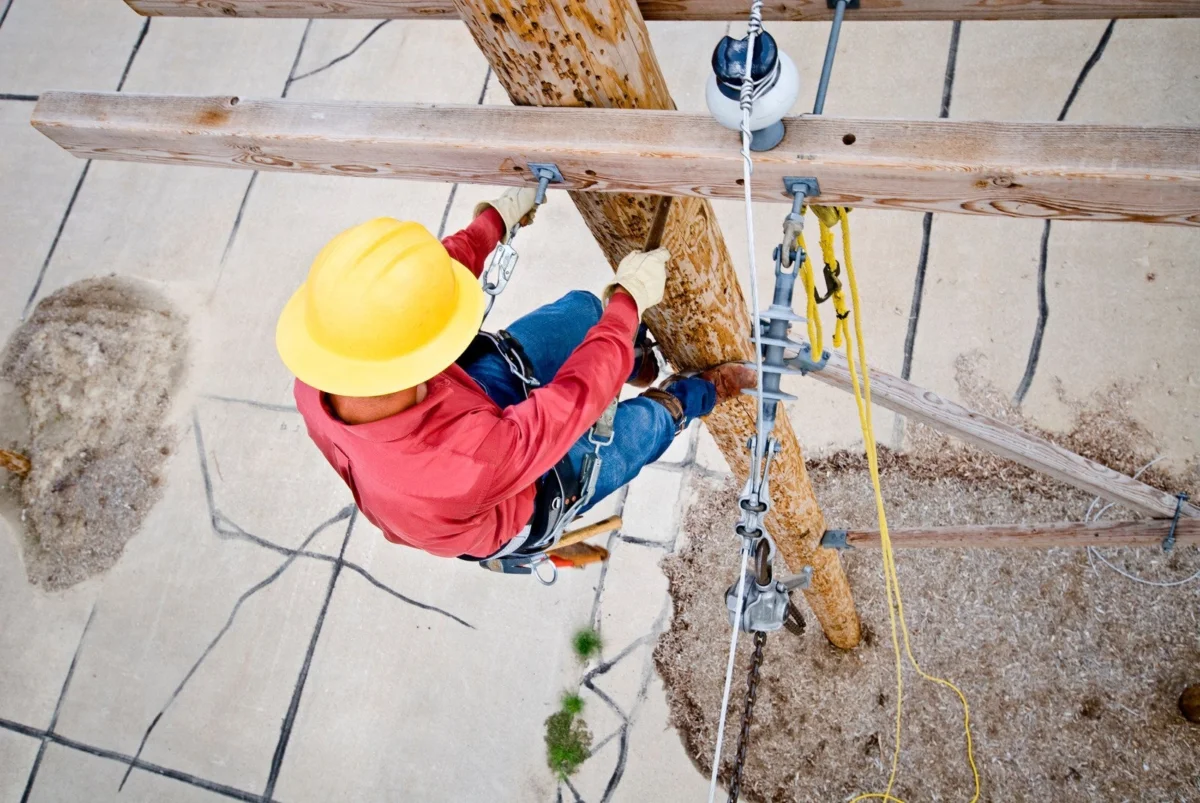
Colorado keeps building: Front Range housing, data centers along I-25, hospital and school expansions, oil and gas on the Western Slope, and a lot of solar in between. The day-to-day looks like this:

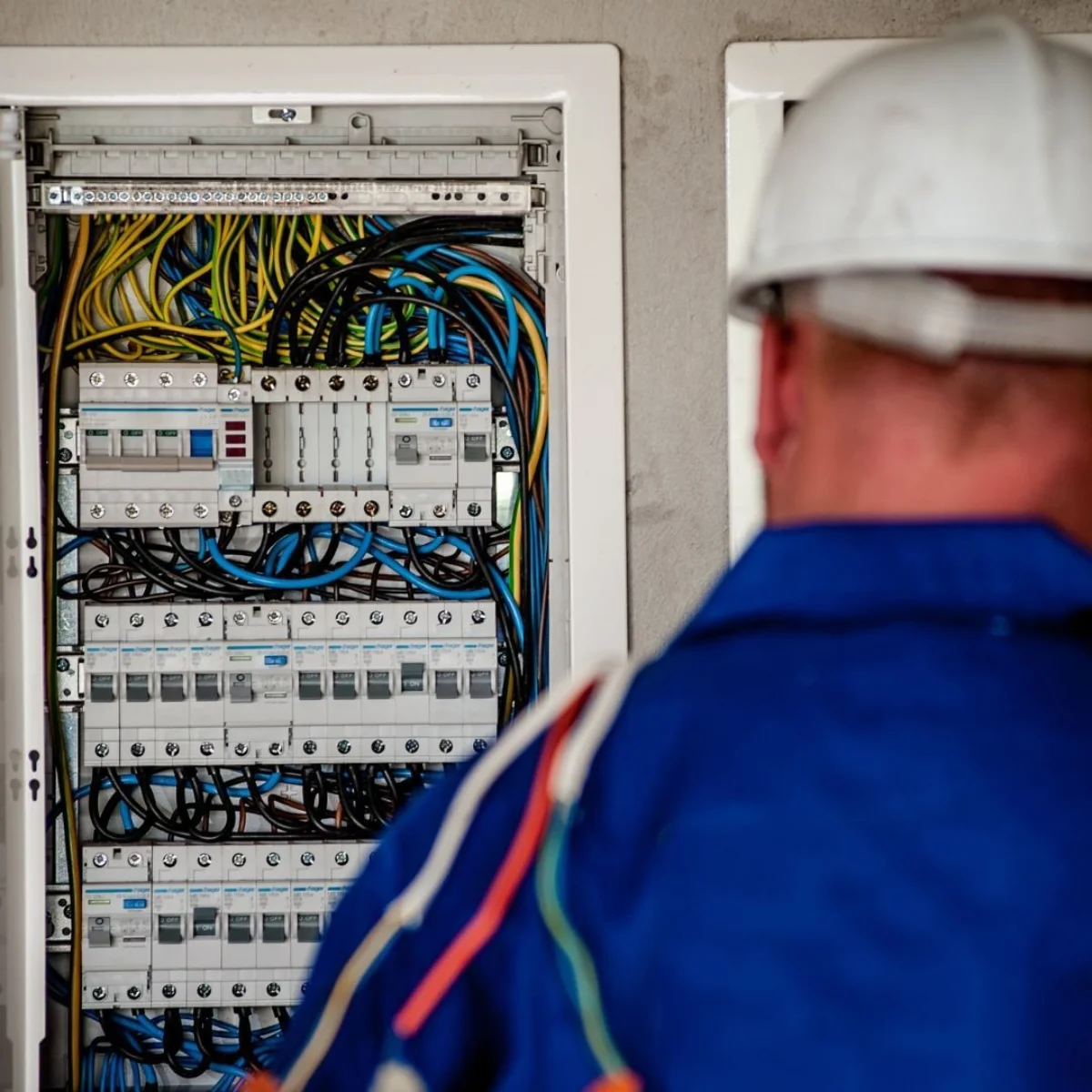
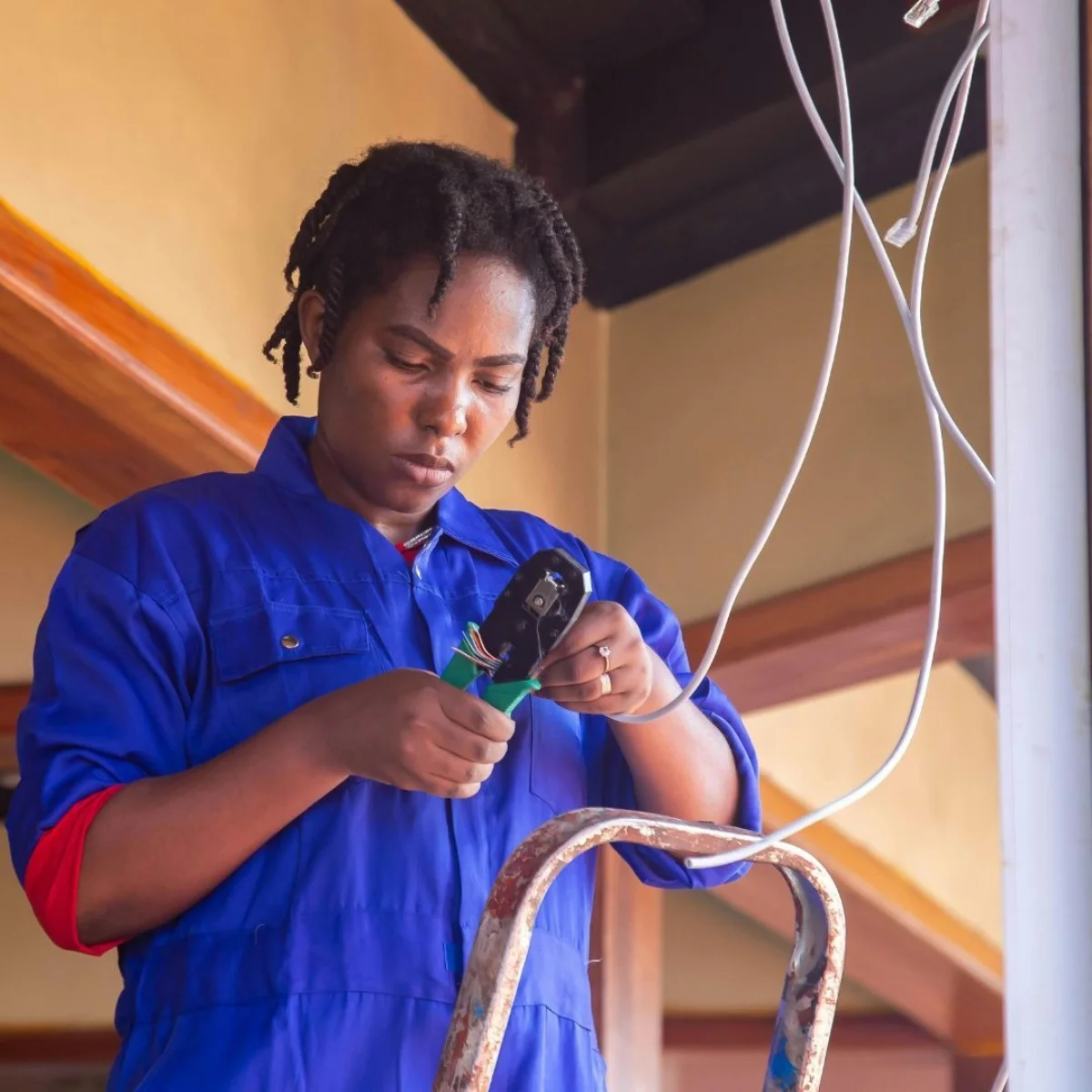
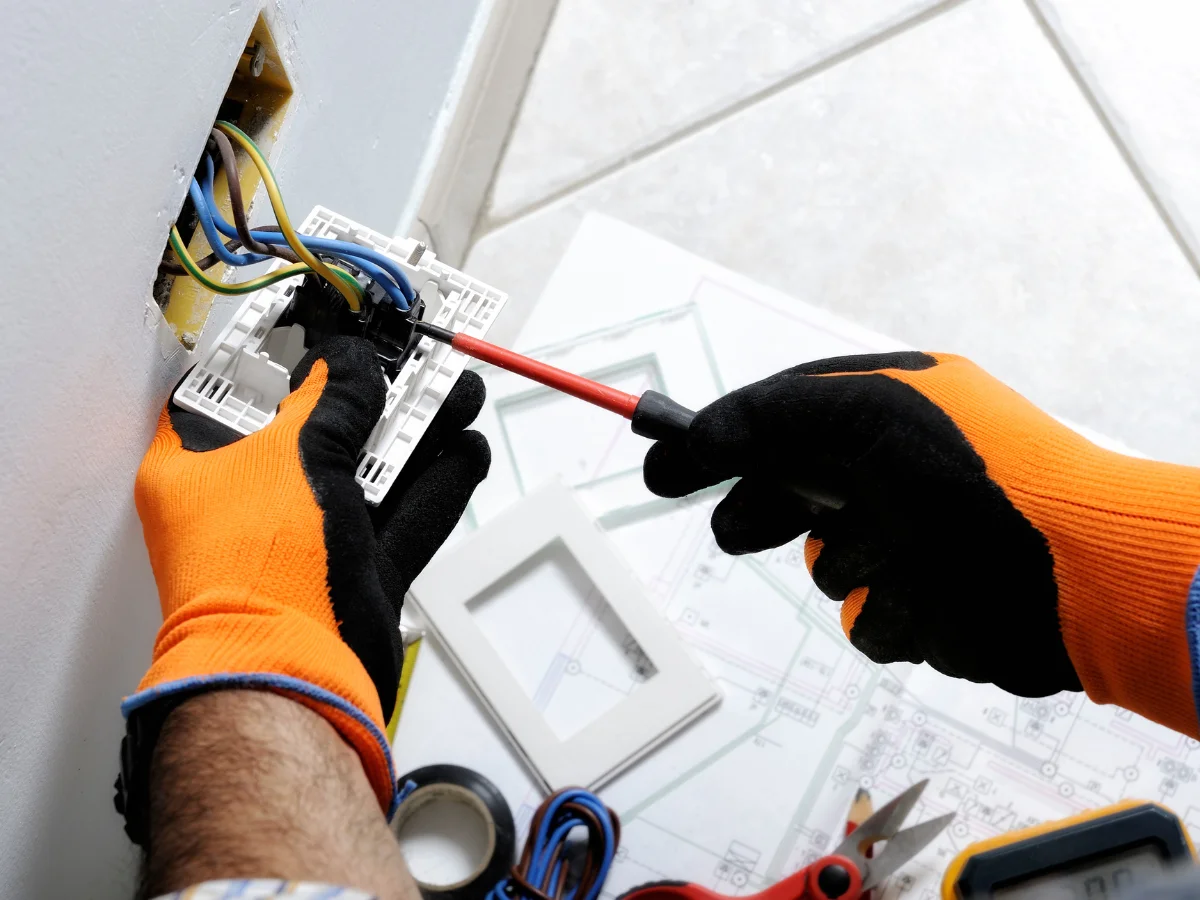
  • Pulling and terminating wire in homes, commercial buildings, and plants
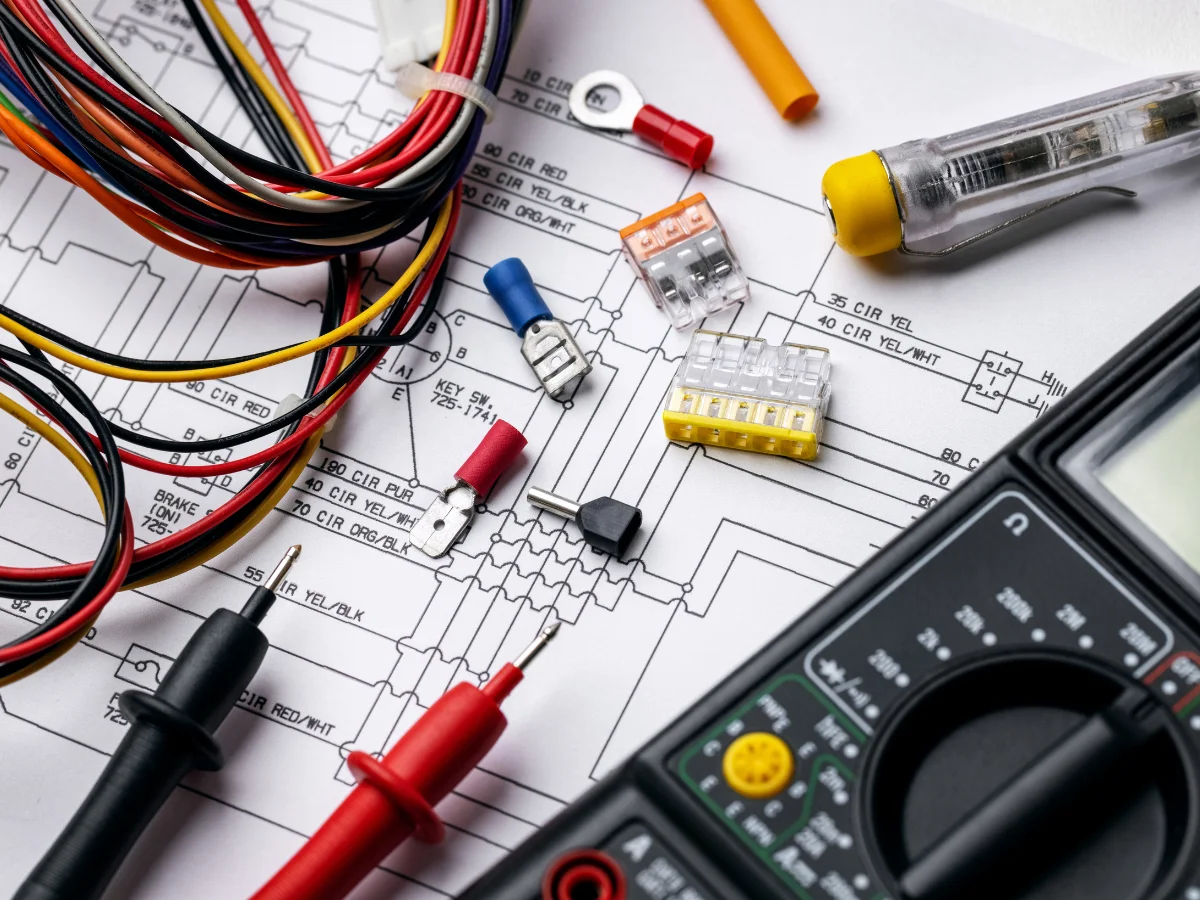
  • Reading prints and troubleshooting power, lighting, and control systems
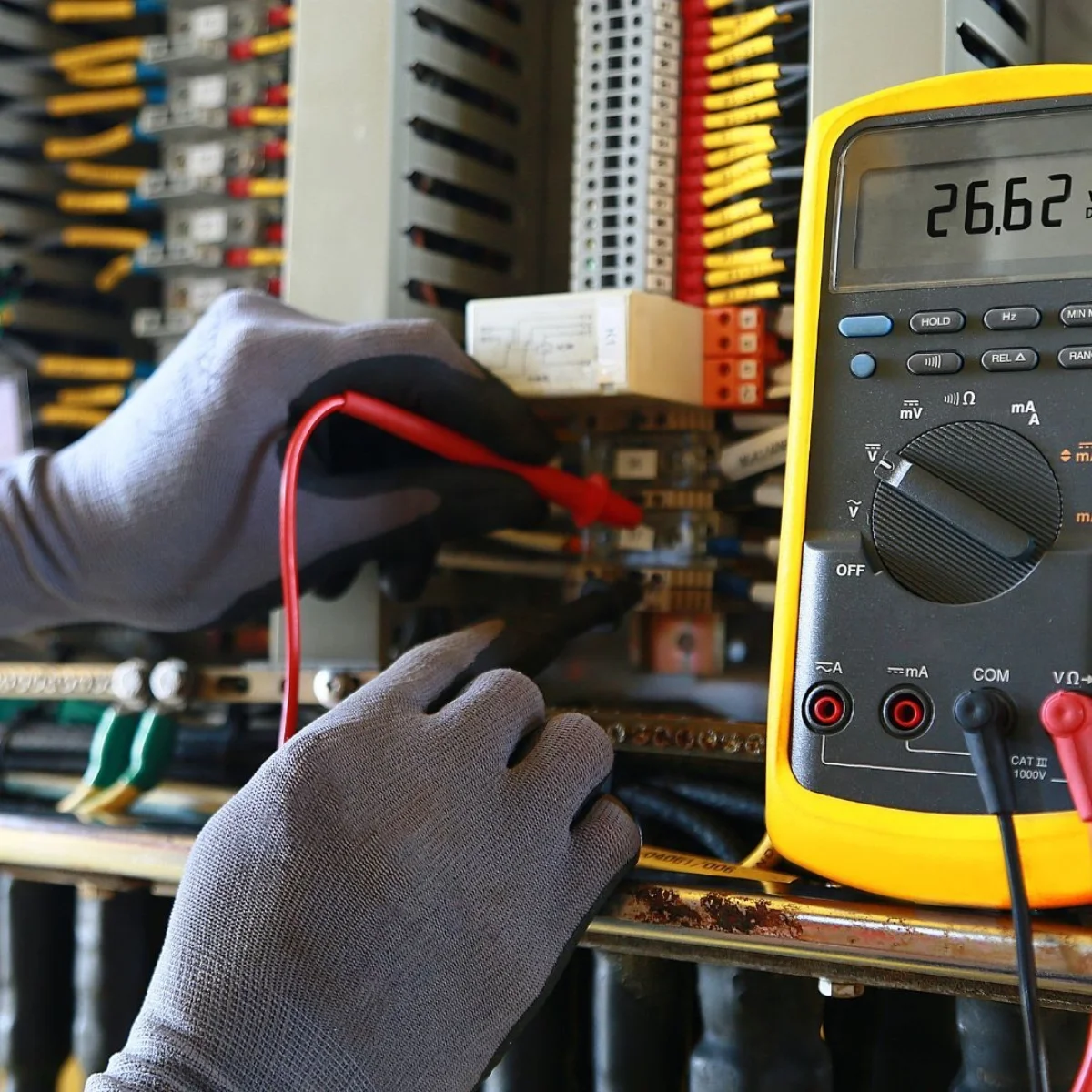
  • Testing to code before an inspector does
  • Working at altitude, in weather, on sites that run year-round

Keep an eye on solar. Under a 2025 law, companies doing photovoltaic installation need to register with the State Electrical Board by December 31, 2026, and each needs at least one NABCEP-certified employee. That is a credential the state never asked for before, and it points to where the hiring is going.

Colorado Registers You Before You Start

Most states let you work as a helper and sort the paperwork out later. Colorado doesn’t. An electrical apprentice has to be registered with the State Electrical Board, and your employer files it within 30 days of your first day.

Here is how it works in practice:

  • It is a two-step sign-up: You create an account and register. Your employer then attaches you to their contractor registration. Both halves have to happen.
  • You get a number, and you keep it: The Board issues a card with a number that stays yours through every job change for the rest of your career here.
  • Carry the card: Have it on you while working in the trade. Not having it can bring disciplinary action.
  • Your employer reports your hours: Every January, contractors submit apprentice hours to the Board. Your progress sits on the record, not in a shoebox.
  • Leaving a job is also reportable: Your employer tells the Board within 30 days when you move on, at no charge.

Already hold a residential wireman license? The moment you step onto a commercial site, or a residential building over four units, you register as an apprentice and work supervised, same as anyone else.

Details and the online system are on the State Electrical Board apprentice page. Forms and the apprentice guide are published in Spanish as well as English.

The Four Credentials

  • Electrical Apprentice: A registration, not a license. You work under the direct supervision of a licensed Colorado electrician and log hours.
  • Residential Wireman: 4,000 hours of residential work over at least two years. Lets you work unsupervised on one- to four-family dwellings.
  • Journeyman Electrician: 8,000 hours over at least four years, plus 288 classroom hours. Full scope, working for a licensed contractor. This is the one most people want.
  • Master Electrician: Four routes qualify you, including 10,000 hours over five years, or 2,000 hours beyond journeyman covering planning, layout, and supervision. An electrical engineering degree plus 2,000 hours also works.

Above that sits the Electrical Contractor registration, which goes to a business rather than a person. Any company contracting electrical work in Colorado employs a master electrician as its responsible individual, and that master can cover only one company at a time.

How to Get Your Journeyman License

  1. Find an employer or an apprenticeship program: Colorado ties registration to employment, so you need somewhere to work before the clock starts. Union and independent programs both pay while you train.
  2. Register with the State Electrical Board: You register, and your employer attaches you within 30 days of starting.
  3. Log 8,000 hours over at least four years: The four years is a floor, not an average. Overtime does not get you there faster.
  4. Get your 288 classroom hours: Every applicant needs them, with no grandfathering, and you document them with a transcript. A registered apprenticeship through the US Department of Labor covers both the hours and the classroom time.
  5. File the Affidavit of Experience: The electrical contractor who supervised your work fills it out, not you.
  6. Pass the exam: PSI administers it. It’s 90 scored questions, 70 percent to pass, and you can bring the code book.

How to Get Your 8,000 Hours

Not all 8,000 hours can come from the same work. Some have to be commercial or industrial, and the state says two different amounts.

  • The Board’s licensing page says 2,000 hours. That is the figure the State Electrical Board publishes on its own licensing page.
  • Colorado law says two years, or 4,000 hours. The statute requires at least two of the four years to be in commercial, industrial, or substantially similar work, and the 2024 law that converted years into hours set the total at 4,000.

Call the Board at 303-894-7800 and get your figure confirmed before you commit. Most sites covering Colorado licensing pick one number and state it flatly, including one run by a state-approved continuing education provider. They are copying different sources.

Costs and Keeping the License

  • There is an application fee and a separate exam fee (ranging from $50 to $140)
  • Failing the exam means a retest fee, not a waiting period
  • Registering as an apprentice is your employer’s paperwork, not a bill you pay at the counter

Licenses last three years and expire September 30. Renewals open four to five weeks before. Get licensed within 120 days of a deadline, and the state rolls you to the next cycle instead of making you renew right away.

Renewal takes 24 hours of continuing education per period, and courses only count if the provider has attested to the Board. Got your license by exam during the current period? You skip continuing education until after your first renewal.

What Electricians Earn in Colorado

About 17,010 electricians work in Colorado, and the median is $62,230 a year, or $29.92 an hour. That lands just under the national median of $63,190, though Colorado employs about 22 percent more electricians per worker than the country overall.

  • Helpers and apprentices, top ten percent: $60,680
  • Electricians, median: $62,230
  • Electricians, top quarter: above $78,470
  • Electricians, top ten percent: above $94,160

Coming from Another State?

Colorado belongs to the National Electrical Reciprocal Alliance. If you hold a journeyman license from a member state, you can get a Colorado certificate without sitting the exam again.

  • The 14 reciprocal states: Alaska, Arkansas, Idaho, Iowa, Minnesota, Montana, Nebraska, New Hampshire, New Mexico, North Dakota, Oklahoma, South Dakota, Utah, and Wyoming.
  • What you need: A current, active journeyman or master certificate in good standing that lets you work as a journeyman where it was issued, earned by passing that state’s exam, and held for at least a year.
  • What disqualifies you: A license that was grandfathered in without a state-administered exam. No exam, no reciprocity.
  • If your state is not on the list: There is a separate endorsement route, open to all license types. Your license has to be active, state-regulated, and earned by testing on the edition of the electrical code Colorado currently uses.

Reciprocity here covers journeymen. Master electricians coming from elsewhere go the endorsement route instead.

Where to Train in Colorado

Because registration runs through your employer, finding a program and finding a job are the same task here. The training pays, which helps.

  • Union apprenticeships: IBEW locals and their joint training committees run registered programs across the Front Range and southern Colorado. Four to five years, paid, classroom included.
  • Independent Electrical Contractors Rocky Mountain: The largest merit-shop training organization in the state, covering both the state hours and the classroom time.
  • Associated Builders and Contractors: Runs craft training in Colorado, including electrical.
  • Community colleges: Several Colorado two-year colleges run electrical programs covering part of the 288 classroom hours.
  • US Department of Labor registered apprenticeships: A registered program satisfies both your 8,000 hours and your 288 classroom hours at once.

We keep short, low-cost programs in one place so you don’t have to call around. Our Colorado training catalog only lists programs we have checked for cost, length, and whether they lead to work.

Start Your Colorado Electrician Career

FAQs

Do I have to register as an electrical apprentice in Colorado?

Yes. State law requires it, and your employer has to file the registration within 30 days of your first day. You get a registration number that stays with you through every job change, and you have to carry the card while working.

Do I need a license to work as an electrician in Colorado?

You need a license to work unsupervised. Residential wireman, journeyman, and master are all licensed by the State Electrical Board. Apprentices are registered rather than licensed, and work under direct supervision.

How long does it take to become a journeyman electrician in Colorado?

At least four years. The state asks for 8,000 hours earned over no less than four years, plus 288 classroom hours. The four-year minimum holds even if you bank the hours faster.

How many of my hours have to be commercial or industrial?

The state is not consistent on this. The Board’s licensing page says 2,000 hours, while Colorado law asks for two years or 4,000 hours. Plan for the higher figure and confirm with the Board before you commit to a schedule.

Does Colorado accept an electrician license from another state?

Yes, for journeymen from the 14 National Electrical Reciprocal Alliance states: Alaska, Arkansas, Idaho, Iowa, Minnesota, Montana, Nebraska, New Hampshire, New Mexico, North Dakota, Oklahoma, South Dakota, Utah, and Wyoming. You need to have held it a year and earned it by exam. Master electricians use the endorsement route instead.

How often do Colorado electrician licenses renew?

Every three years, on September 30. Renewal requires 24 hours of continuing education from a Board-attested provider. If you were licensed by exam during the current period, you skip continuing education until after your first renewal.

Can I become a master electrician without being a journeyman first?

Not on experience alone. Colorado does not let you go from apprentice or residential wireman straight to master that way. A degree can open other routes in, but the ladder generally runs through journeyman.

Do I need a separate license to install solar in Colorado?

A 2025 state law requires photovoltaic installation companies to register with the State Electrical Board by December 31, 2026, and to employ at least one NABCEP-certified person. That registration sits with the company rather than with you as an individual.