For Job Seekers
For Career Exploring
Become a Partner
Search

Journeyman Electrician, issued by the state
8,000 on the job, plus 576 in the classroom
$55,690 a year, about $26.78 an hour
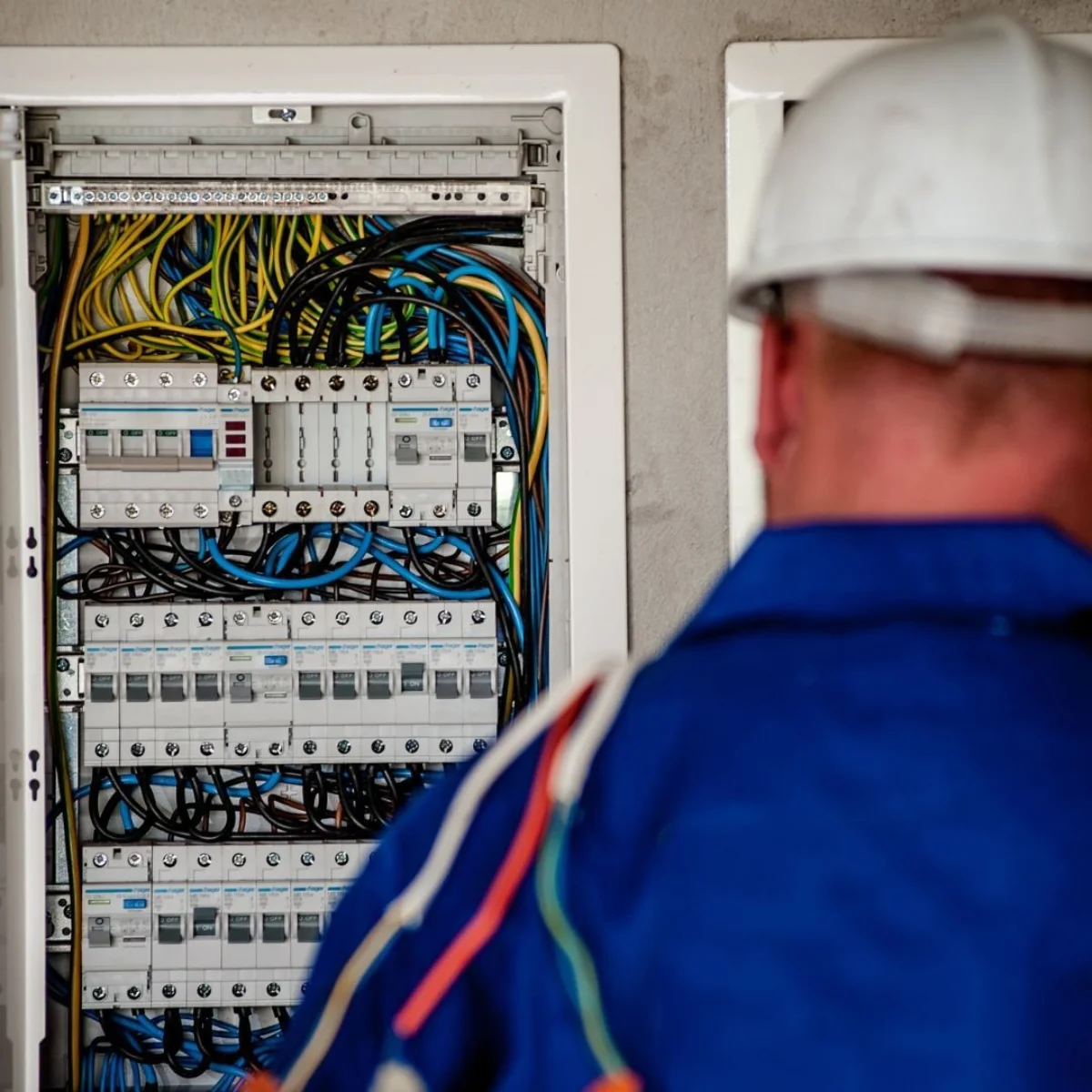
Auto plants in Vance and Montgomery, aerospace suppliers around Huntsville, shipyards on the Gulf Coast, and food processing plants depend on electrical systems that somebody has to install, test, and fix when they quit working at two in the morning.
That means Alabama electricians often end up in industrial settings rather than only residential and commercial ones, which tends to pay better and stay steadier through slow housing years. Day to day, the work looks like this:
The Alabama Board of Electrical Contractors issues two statewide licenses, and neither one applies to you on day one.
Note: Apprentices and helpers do not get licensed here, but working as a contractor without one carries penalties.
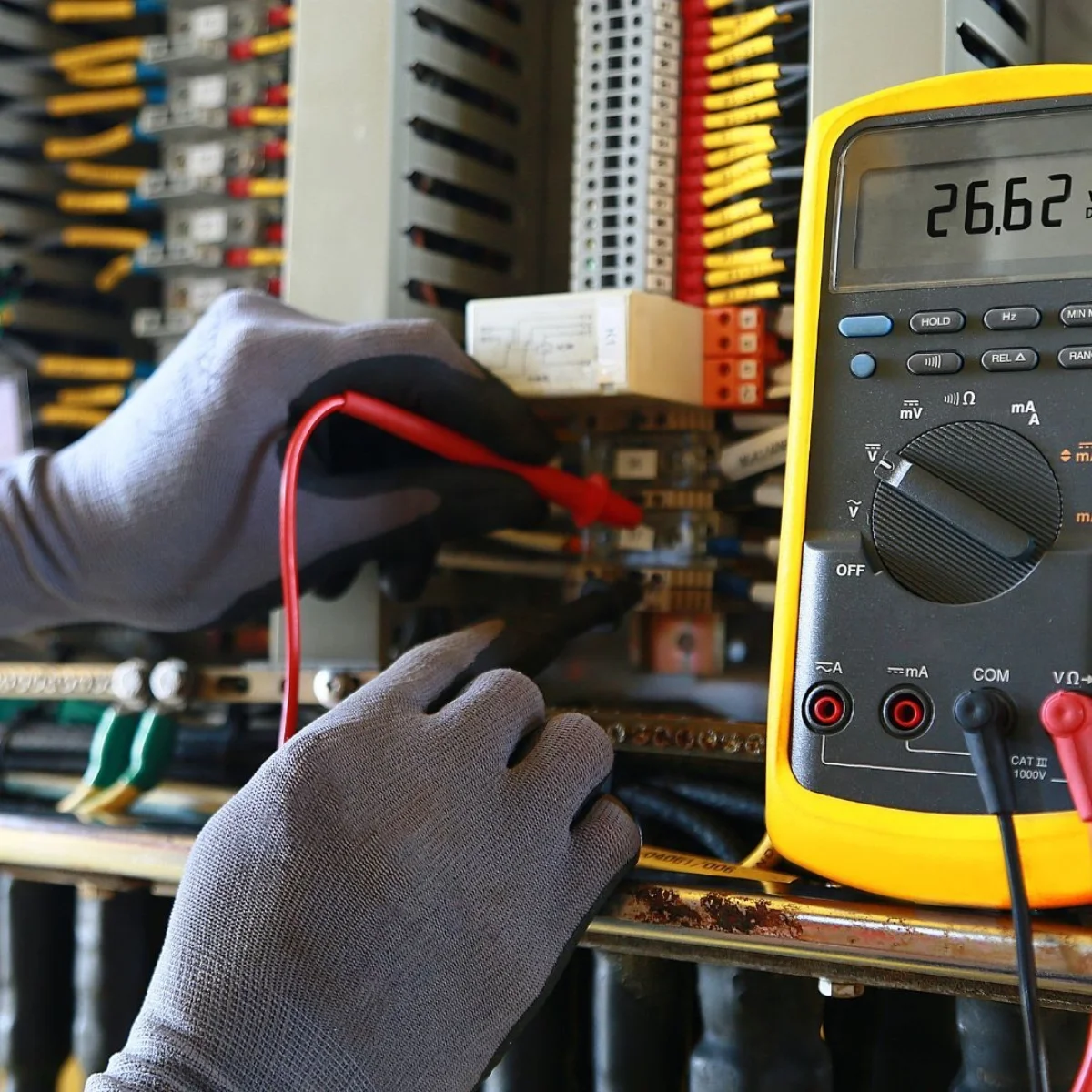
Have you already been doing electrical work under someone else's license for a few years? You may be closer to the hour count than you think. It is worth pulling your employment history together before you assume you are starting from zero.
Alabama is on the cheaper end for this. Here is the current schedule from the board, as of July 2026:

Alabama recognizes licenses from a handful of states without making you retest on the trade exam. You still have to pass the Alabama business and law exam through Prov and pay a $315 processing fee.
Coming from Georgia? That agreement ended, and any pending Georgia reciprocal applications no longer qualify. Several licensing websites have not caught up, so check the board directly rather than trusting what you read elsewhere, including here. Boards change these lists without much notice.

The good part about this trade is that the training does not usually cost you tuition. Registered apprenticeships pay you while you learn, which matters if you cannot afford to stop working for four years.
We pull short, low-cost programs into one place so you don’t have to call around. Our Alabama training catalog only lists programs we have checked for cost, length, and whether they lead anywhere. Save the ones you like to your profile and come back to them.
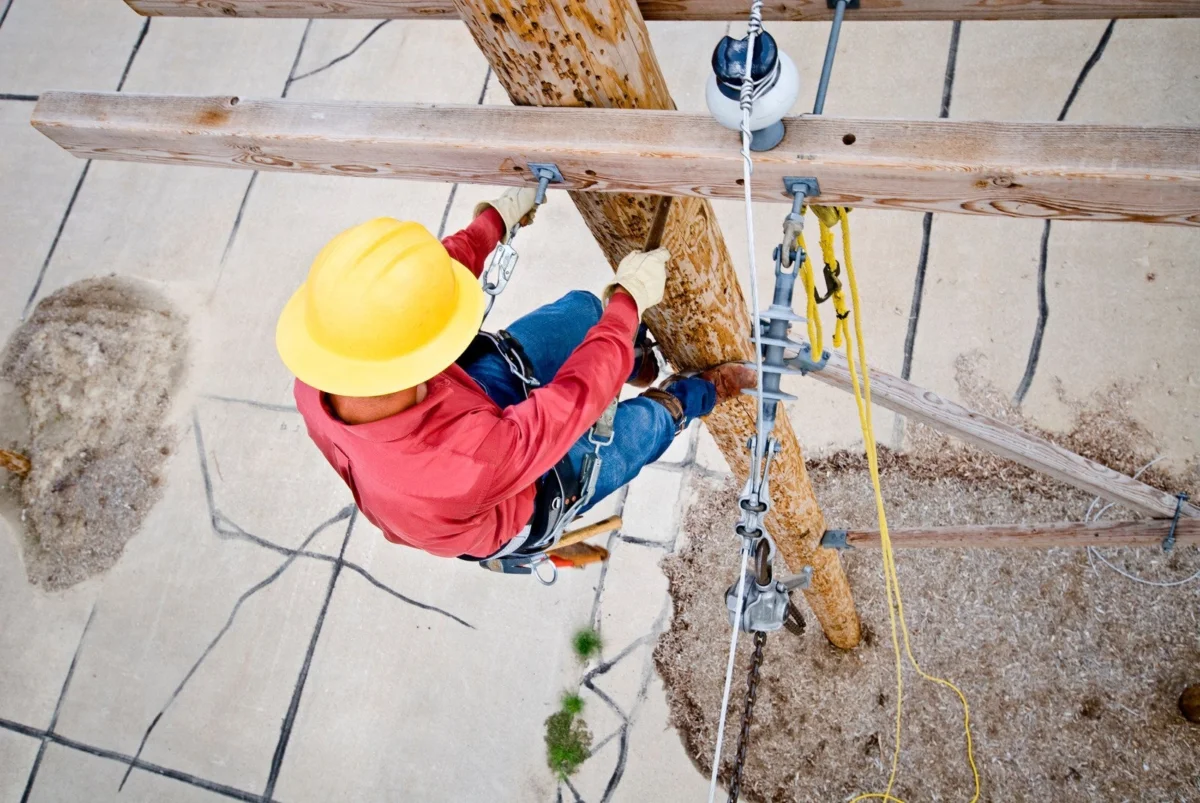
About 10,900 electricians work in Alabama, and the median wage is $55,690 a year, or $26.78 an hour. That runs below the national median of $63,190, which is worth saying plainly rather than burying.
That is roughly $19,000 a year between helper and licensed electrician, in the same state, doing work in the same buildings. It is the strongest case anyone can make for finishing your hours and sitting for the exam, and it comes from Alabama's own wage survey rather than from a salary site.
Alabama employs about 2,630 electrician helpers, which is three times the national average concentration for that role. A lot of people in this state are already doing electrical work at helper pay. If that’s you, check your hours before you assume the license is years away. You may be closer than you were told.

SkillUp is so much more than a job board. Our free tools support you through each step:
Yes, once you are working on your own. Journeymen and electrical contractors both have to be licensed by the Alabama Board of Electrical Contractors. Apprentices and helpers do not, as long as you are working under supervision.
About four years. The board asks for 8,000 hours of on-the-job experience plus 576 hours of classroom instruction. Approved schooling can knock up to 2,000 hours off the on-the-job total.
You can, through a combination of technical school and supervised work experience, but an apprenticeship is usually the faster and cheaper route because you earn wages the whole time instead of paying tuition.
It is an open-book trade exam administered by Prov, based on the National Electrical Code. Alabama tests on the 2023 edition through the end of 2026 and moves to the 2026 edition on January 1, 2027.
$115 for the journeyman exam and $35 for the license itself, so $150 total. Renewal is $35 a year. Contractor licensing costs more, at $165 for the exam and $150 for the license.
For electrical contractors, yes, from Mississippi, Tennessee, North Carolina, South Carolina, Virginia, Ohio, Louisiana, and Texas. Texas is the only one that also covers journeymen. Georgia reciprocity has ended. You still have to pass Alabama's business and law exam and pay a $315 fee.
Not currently. Electrical contractors do, at 14 units every odd year, with a portion tied to the electrical code. Journeymen renew annually without filing continuing education hours.
Not under that name. Alabama's electrical contractor license covers what most states call a master electrician, and the board treats the two terms as interchangeable.