For Job Seekers
For Career Exploring
Become a Partner
Search

~$15 - $22
tech manufacturing support, healthcare facilities, food and beverage production, warehousing operations, construction work, retail and hospitality
8,300+
Looking for other states? Explore all locations.
Here’s a look at the sectors bringing on workers who don't hold bachelor's degrees:
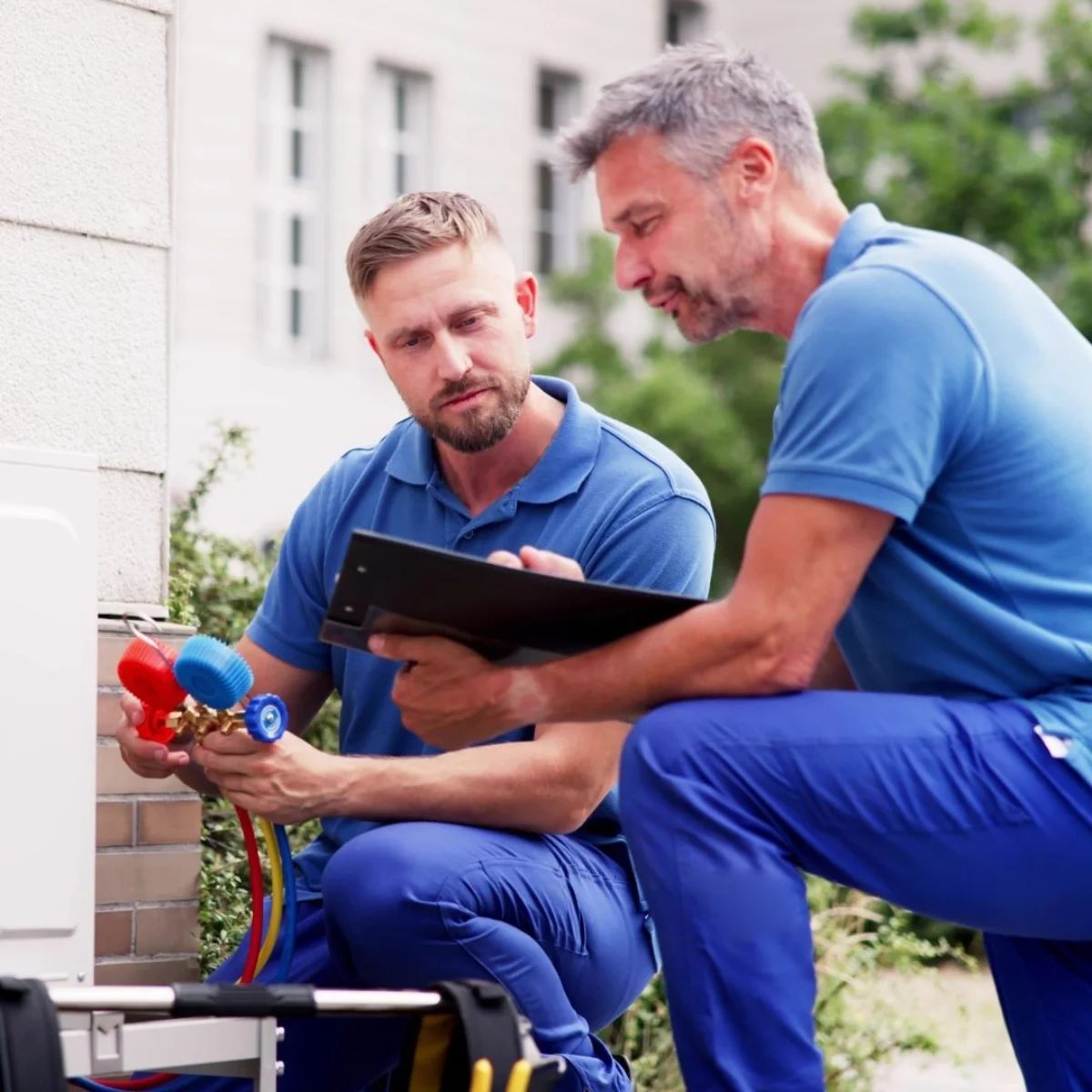
SkillUp connects you to programs throughout Oregon that offer credentials designed for quick employment, including:

SkillUp’s job board only lists roles that meet our standards:
In Oregon, that means semiconductor technicians, hospital support roles, food production workers, warehouse coordinators, construction laborers, and retail supervisors.

SkillUp is so much more than a job board. Our free tools support you through each step:
SkillUp is a free platform built for workers. Here’s what makes it different:
We’ve done the hard work of filtering out low-value options so you can focus on building your future.

Yes. Semiconductor fabs need equipment technicians, maintenance staff, quality control operators, and facilities workers alongside engineers. Many production roles provide on-site training for specific processes and equipment.
Oregon uses a three-tier system (2024-2025): $15.95/hour in Portland metro, $14.70/hour standard rate, $13.70/hour in designated rural counties. Most positions we feature pay above minimum, typically $15-$22/hour for entry-level roles.
Portland costs more than most Oregon cities but less than San Francisco or Seattle. Housing especially runs higher than in Eugene or Salem. Wages tend to be higher too, which helps offset costs. Many people live in suburbs or surrounding areas for affordability.
Definitely. Eugene, Salem, Medford, Bend, and coastal towns have hospitals, food processing facilities, retail operations, and construction work. The Portland metro has higher volume, but opportunities exist statewide.
Hospital systems throughout Oregon hire medical assistants, patient care technicians, and administrative staff regularly. The work can be physically demanding and emotionally taxing, but many find it rewarding. Benefits are usually solid.
In western Oregon, yes, especially November through March. Indoor jobs (manufacturing, healthcare, warehousing) avoid weather issues. Outdoor construction and landscaping work through rain with proper gear. Eastern Oregon is much drier.