For Job Seekers
For Career Exploring
Become a Partner
Search
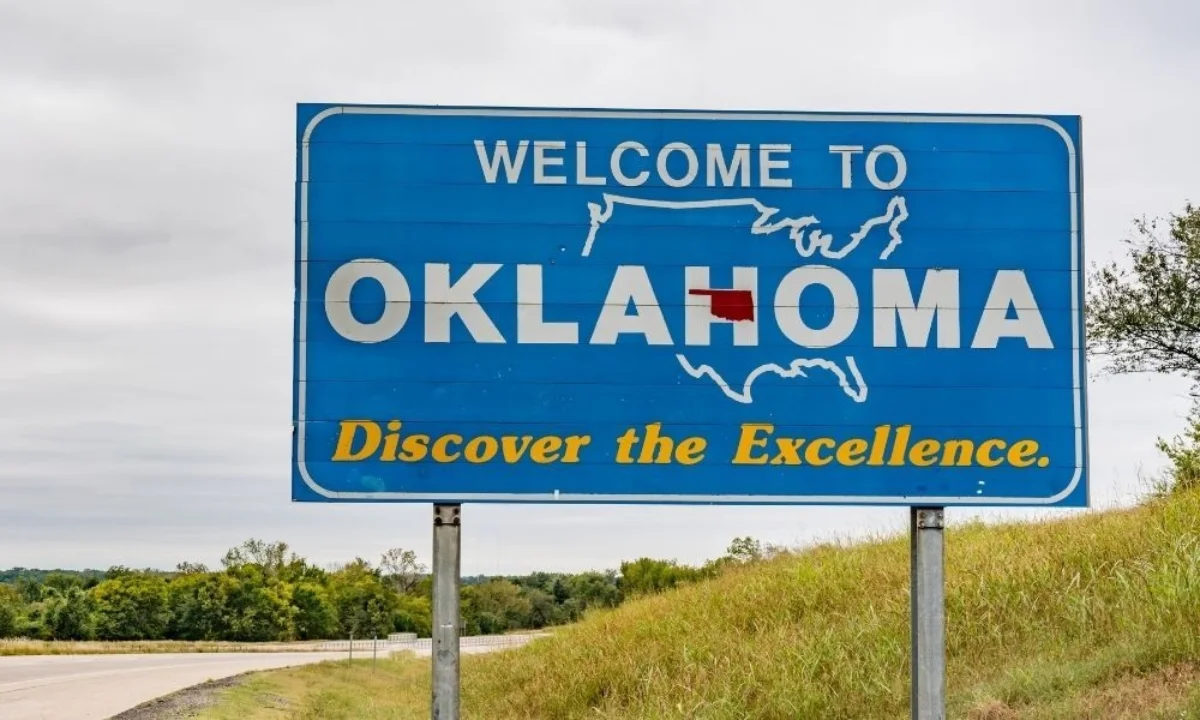
~$16–$32, with licensed trades and supervisor roles at the top end
hospitals and health systems, aerospace and aircraft maintenance, construction and the trades, trucking and logistics, energy field operations, retail and food service
9,000+
Looking for other states? Explore all locations.
Heavy truck driving alone accounts for roughly 3,200 openings statewide each year. Electricians add about 880, welders another 950, and that's before you count the supervisor roles above them.
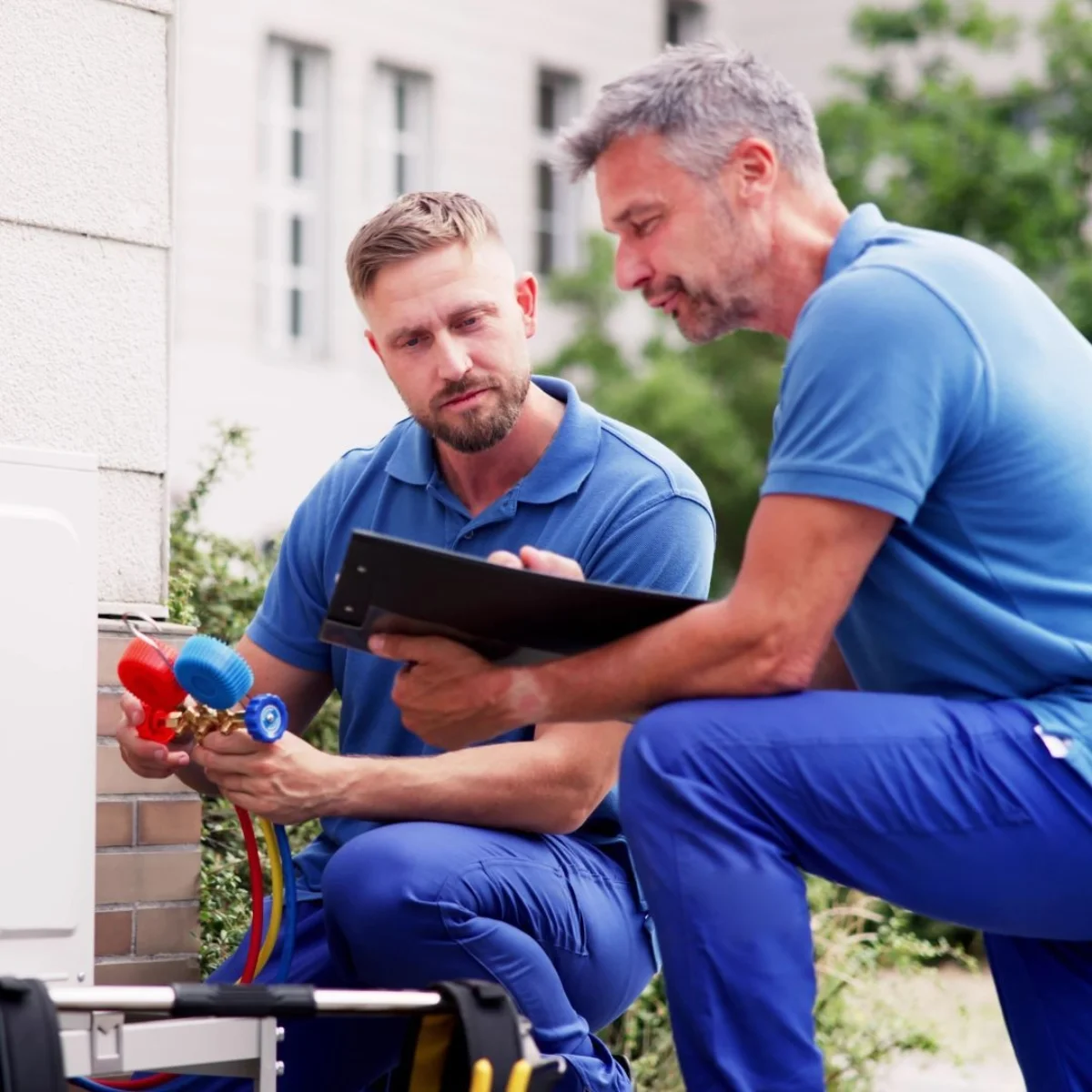
Oklahoma's CareerTech system is one of the cheapest routes into a trade anywhere in the country, and there's a center within reach of most of the state:

SkillUp's job board only lists roles that meet our standards:
That filter matters more in Oklahoma than almost anywhere else, and here's what clears it: maintenance and repair work, CDL driving, welding and machining, hospital support roles, equipment operation, and the supervisory jobs those paths lead into.

SkillUp is so much more than a job board. Our free tools support you through each step:
SkillUp is a free platform built for workers. Here’s what makes it different:
We’ve done the hard work of filtering out low-value options so you can focus on building your future.

It means the legal floor is low and you shouldn't treat it as your benchmark. Oklahoma hasn't raised its minimum since 2009, it matches the federal rate, and state law stops cities from setting anything higher. The market pays better than the floor: the middle Oklahoma worker earns $21.92 an hour, and a quarter of workers earn more than $31.73. The bottom tenth is still at $12.43, though, so which job you pick matters more here than it would in a higher-floor state.
The trades and technical work, and it isn't close. Supervisor roles in construction and mechanical repair, aircraft maintenance, electrical work, plumbing, industrial machinery repair, and sheet metal all clear the state median without a four-year degree. Most want an apprenticeship or a technology center certificate rather than a campus, and they'll often pay you while you train. Retail and food service pay the least, so treat those as a starting point instead of a destination.
You don't have to. Those two metros have the most listings, and our regional pages cover both. Plenty of the work isn't in either one, though. Energy and pipeline jobs follow the fields, trucking covers the whole state, and hospitals and technology centers operate in most counties. Check both metro boards and the remote listings before you decide a move is necessary.
It's a mixed picture, and we'd rather tell you straight. Statewide employment's been close to flat through 2026, and unemployment climbed about a point over the year to 4.1% in July. Healthcare and construction kept adding jobs through that stretch while manufacturing and retail shed them. The openings exist, they're just concentrated, so aim at the sectors that are growing.
Yes, and it's the best deal going in this state! Oklahoma's technology centers are publicly funded, so you're paying a fraction of what a private school charges for the same credential. Many programs take workforce funding that covers the cost outright, so you might not pay anything. We've listed a number of them, including HVAC and welding tracks, so you can compare before you enroll.
Warehouse, retail, and food service roles hire without a background, and they'll train you on site. Use that paycheck to fund a technology center certificate, or get into an apprenticeship where you're earning from day one. A CNA course takes a few weeks, and a CDL takes about the same.