For Job Seekers
For Career Exploring
Become a Partner
Search

Have you ever looked at earn-and-learn jobs and suspected that “we'll train you on the job” is just a nicer way of saying “we'll pay you next to nothing while you work 40-plus-hour weeks”? If so, that’s fair. Plenty of on-the-job training gigs do top out near minimum wage.
But not all of them. Some earn-and-learn jobs start you near a living wage and climb fast once you pick up the skills and credentials the employer pays for. You get a paycheck and benefits from day one, no tuition bill, and a path to more money as you go. The trick is knowing which roles pay, so you're not stuck guessing.
That's what this guide is for. Below are five earn-and-learn paths you can start this year without a degree, ordered from the highest earners down to the most beginner-friendly. Every pay figure comes from the Bureau of Labor Statistics, and every role connects to employers hiring through SkillUp right now.
An earn-and-learn role makes you a full employee from day one, with the company covering your training or credentials as a benefit. If that's new to you, our guide to earn-and-learn programs breaks down how they work. This piece is about which ones pay best.
If you want the highest ceiling on this list, start here. Claims adjusters, examiners, and investigators earn a median of about $76,790 a year, and the top earners clear $112,000. Most people start lower, around $50,000 to $65,000, then climb as they take on bigger or more complex claims.
What it involves: The work is part detective, part customer service. You review insurance claims, figure out what a company owes, and walk people through the process. Insurers and health companies like CVS Health hire for these roles and train you on their systems, so you don't need prior insurance experience to get in.
Ideal for: People who like digging into details and helping someone on a stressful day.
The U.S. Postal Service is one of the most reliable earn-and-learn employers in the country, and the pay reflects it. Postal service workers earn a median of about $57,870 a year, with strong federal benefits, a pension, and steady raises baked into the job. You'll pass a written exam to get started, but no degree is needed.
What it involves: Mail carriers spend their days outdoors on a route; clerks and sorters work inside a post office. Either way, USPS trains you on the job, and once you're in, the path to better pay and seniority is laid out.
Ideal for: Anyone who likes routine, independent work, and a clear career trajectory.
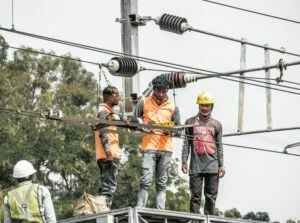
Clean energy is one of the fastest-growing corners of the job market, and solar is leading the charge. Solar photovoltaic installers earn a median of about $51,860 a year, and the field is projected to grow 42% by 2034, one of the fastest growth rates of any job in the country. Top installers earn over $80,000.
What it involves: Employers like Sunrun hire and train installers to put panels on roofs and connect them to the grid. You learn the trade hands-on, usually starting around the high $30,000s and moving up as you gain speed and certifications. It's outdoor, physical work with a direct payoff: you have a completed project at the end of the day.
Ideal for: People interested in clean energy or who enjoy outdoor, physical activity.
Healthcare runs on people who keep the back office chugging along, and many of those roles train you as you go. Clinical administrative coordinators and care management associates handle scheduling, records, and patient support. These administrative roles pay a median of about $47,460 a year, and they're a strong way into a healthcare career without a clinical degree.
What it involves: CVS Health and its Aetna side hire heavily for these positions and train new staff on their systems and terminology. Once you understand how a healthcare organization works from the inside, doors open to higher-paying coordinator and specialist roles.
Ideal for: People who want stable, indoor work that helps others.
This is the most beginner-friendly role on the list, and it's a smarter starting point than it gets credit for. Customer service reps earn a median of about $42,830 a year, the lowest figure on this list. But it's also the easiest door to walk through, often with no experience or resume needed.
What it involves: CVS Health, Verizon, and AT&T all hire customer service reps and fully train them. The reason this role earns a spot on a best-paying list is what it leads to. The communication and problem-solving skills you build here transfer straight into claims, care coordination, and team-lead roles that pay much more.
Ideal for: People looking for the first rung of a career ladder.
The wage on the job posting is only part of the story with earn-and-learn work. Three things push your earnings higher over time:
So a job that starts at $45,000 with paid training and a path to $65,000 can be worth more than one that starts at $50,000 and stalls there.
Every job on SkillUp's board is checked by a person and filtered for livable wages, and you don’t need a four-year degree. To find the roles above, open the job board and filter for Earn and Learn. You'll see openings that pay you while they train you, sorted by what's newest.
Not sure which of these fits you? A few free tools can point you in the right direction:
You don't have to pick the perfect job today. You just need a first step you can take and a paycheck while you take it.
Many do, depending on the role. Customer service roles pay around $42,830, while claims and postal positions reach a median of $58,000 to $77,000. Because the employer covers your training, you also skip the tuition costs that usually come with moving into a better-paying field.
Among common no-degree roles, claims adjusters and examiners pay the most, with a median of around $76,790 a year and top earners above $112,000. Postal service workers and solar installers also pay above the national median for all jobs.
Yes. That's the whole point of an earn-and-learn job. You're a full employee from your first day, earning a wage and usually benefits while the company trains you. You're not paying for a course or working for free.
Often, yes. Many earn-and-learn employers hire people with little or no prior experience, and some don't ask for a resume. Roles like customer service and postal work are common starting points, and they can lead to higher-paying positions once you've gained skills on the job.
SkillUp's job board lets you filter for Earn and Learn roles and sort by location. Every listing is checked by a person for livable pay and no degree needed, so you're not sifting through low-quality postings.