For Job Seekers
For Career Exploring
Become a Partner
Search
Protecting communities. Enforcing the law. Being the one people call for help. Police officers do it all—and you don’t need a four-year degree to get started.
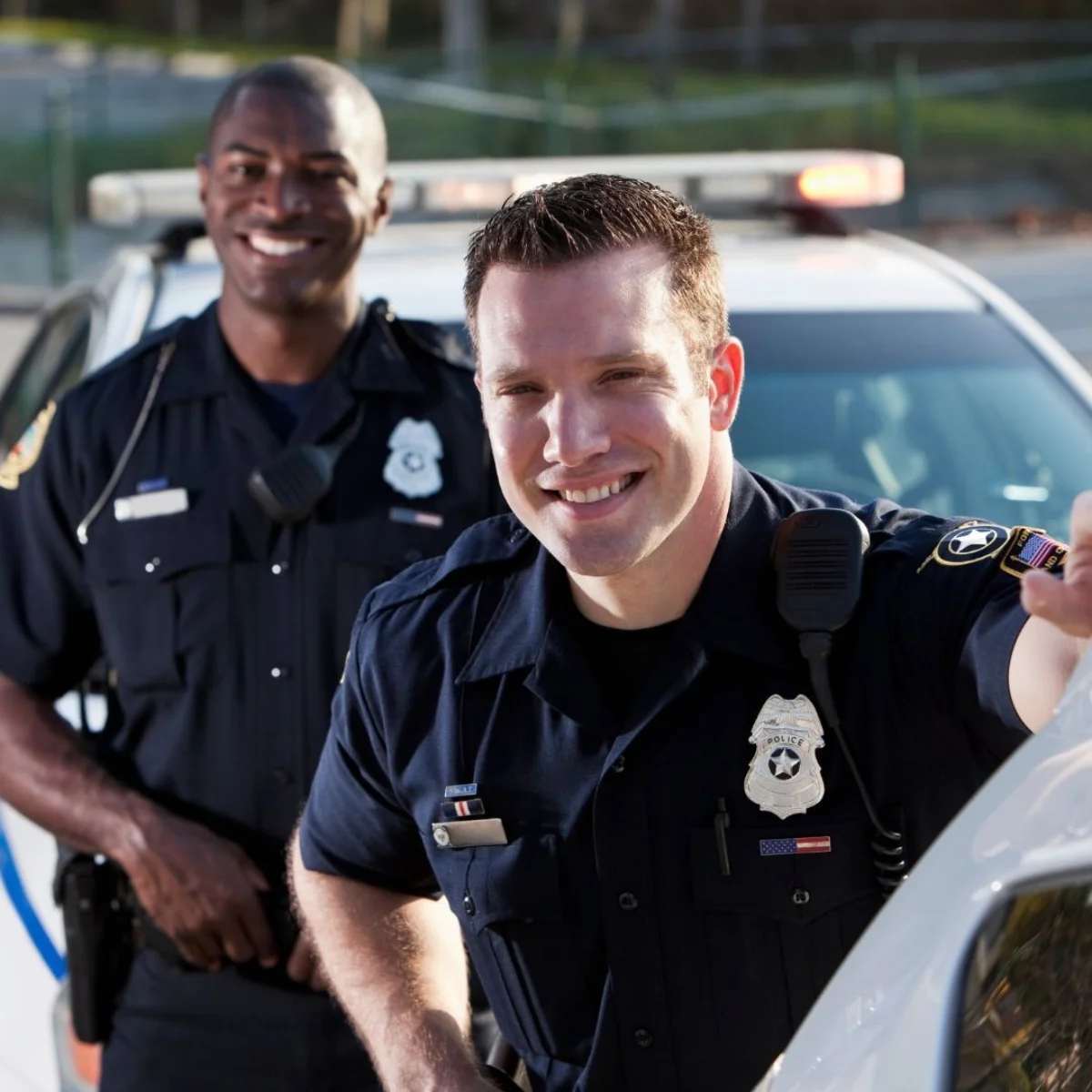
Police officers maintain public safety by enforcing laws, preventing crime, and responding to emergencies. Depending on where they work, they may patrol neighborhoods, investigate traffic accidents, serve legal documents, or assist with crisis response.
Job titles vary by agency and location; state trooper, deputy sheriff, public safety officer, patrol officer, and peace officer are just a few. But all roles aim to serve and protect the public.

Becoming a police officer requires completing formal academy training, passing state exams, and meeting agency-specific requirements. You don’t need a college degree—but you do need to meet physical, legal, and educational criteria.
Here’s how the path usually looks:
Meet basic requirements: Most agencies require you to be at least 21 years old, have a high school diploma or GED, hold a valid driver’s license, and pass a background check.
Pass a physical ability test: You’ll need to demonstrate endurance, strength, agility, and overall physical readiness.
Complete police academy training: Police academies typically last 4–6 months and include coursework in criminal law, ethics, report writing, firearms, first aid, and defensive tactics.
Pass certification exams: After academy graduation, you'll need to pass your state’s licensing or certification exam to become a sworn officer.
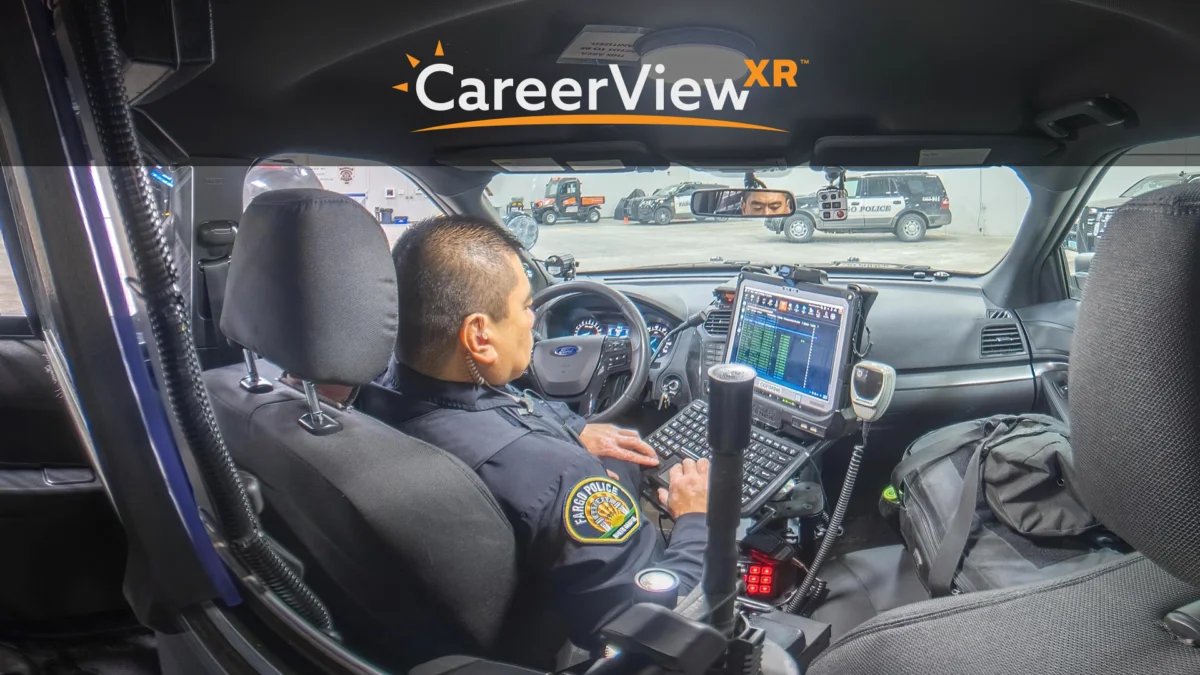
In partnership with CareerViewXR, we are bringing you immersive job tours. These engaging and accessible experiences allow you to explore various career paths from any internet-connected device, including VR headsets.
No. Most departments require only a high school diploma or GED. Some agencies may prefer or offer bonuses for candidates with college credits or military service, but it’s not mandatory.
The full process from application to academy graduation can take 6 months to over a year, depending on your state and agency.
Police officers typically work for city departments, while deputies work under the county sheriff’s office. Duties often overlap, but jurisdictions differ.
Yes. You’ll need to pass a physical fitness test and maintain your conditioning throughout your career. The job may involve running, lifting, and responding to emergencies at all hours.
Yes. Many officers later pursue specialties like K-9 units, SWAT, investigations, school resource roles, or leadership positions.